
Your City Council Is Building a Surveillance Panopticon—Here's How to Burn It Down (Metaphorically)
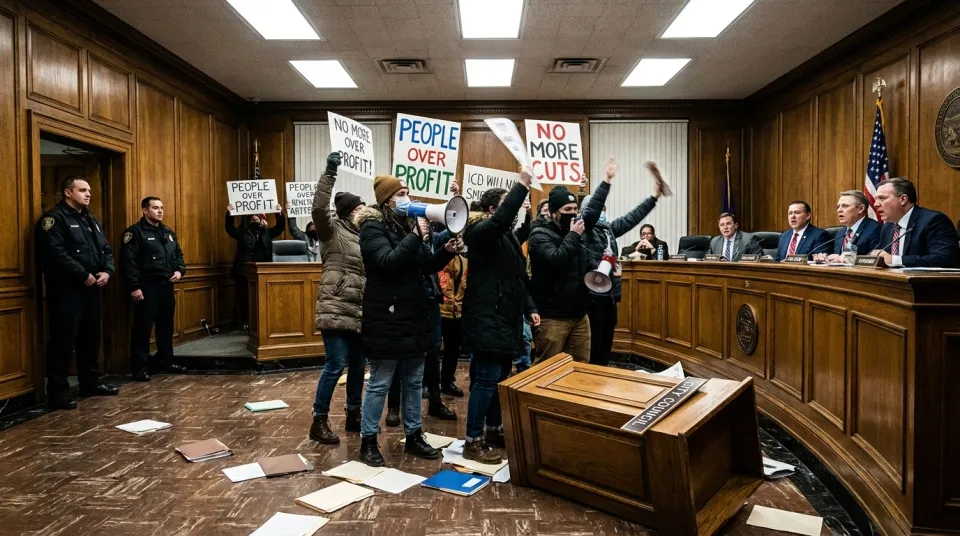
They’re not just adding cameras, they’re turning our city into a goddamn surveillance nightmare. Your local council isn’t just watching—they’re controlling. They want every blinking eye, every whispered conversation, every moment of your life under their scrutiny. And you thought you had privacy? Fucking hope not.
Let’s cut through the smoke and tar, and tell you exactly how this surveillance panopticon is built—and more importantly, how you’re gonna burn it down before they tighten the screws even tighter.
The Big Lie: “Safety,” “Transparency,” “Public Order”
They’re pushing this “smart city” initiative with a charm offensive so thick it chokes. “Increased surveillance means safer streets, better emergency response.” Yeah, right. Look at what we’ve seen in cities like Boston and Atlanta—the same “safety” measures turn neighborhoods into playgrounds for stop-and-frisks. The cameras, the license plate readers, the facial recognition—all under the guise of “transparency.” But it’s all a smokescreen.
They’re not trying to help us. They’re trying to control us. And here’s the ugly truth: these aren’t just streetlights with microphones and eyes. These are tools for oppression, handed out by them—corporate tech giants like Clearview AI and Axon, who make a killing selling our lives to the city council.
How Surveillance Works—and Why It’s a Ticking Time Bomb
First, let’s break it down. Your city council isn’t just watching; they’re collecting. They’re installing facial recognition cameras at every corner. These aren’t the “throwaway” security cams you see on TV—they’re AI-powered, live-streaming to cloud servers that recognize you in real time. If you’ve ever been flagged by the system for a past arrest (even an old one), that’s your name now, your face is now, and they’ll know exactly where you are—no warrant needed.
Then there’s the internet of surveillance: license plate readers at every intersection, drones hovering over our backyards, smart meters tracking not just energy use but who we’re with when we turn them off or on. And let’s not forget the data brokers. Your credit card history, your medical records, your job searches—they all feed into this web of surveillance.
This isn’t just about catching thieves or criminals. It’s about making us obedient. We start self-censoring our conversations, avoiding protests, even changing where we go—just to stay off the radar. And what’s the endgame? A city where dissent is punished before it starts.
The Tools of Resistance: Turning Surveillance Against Itself
You think they’ve got all these cameras and algorithms beat? Think again. We’ve been watching, learning, adapting for years, and today I’m handing you the weapons to burn their panopticon down—metaphorically, at least, but with a clear path to literal dismantling.
1. Disable It Locally
Start small. There are real ways to mess with surveillance tech without breaking any laws (or getting arrested on it). For example, you can hack or disable license plate readers by using reflective surfaces—think spray paint over cameras or old-fashioned mirror shutters that reflect the light so they never see anything. Clearview AI’s facial recognition isn’t foolproof either; we’ve seen people with hoodies or hats evade their algorithms.
And if you’re feeling bold, organize a “Shut Them Down” day in your neighborhood. Set up a makeshift command center with old computers and signal flashlights to mimic surveillance footage—just to show them what resistance looks like. It’s not about taking over; it’s about showing they can’t run forever.
2. Use the Law to Your Advantage
Cities have privacy laws, but enforcement is lax. That’s your chance. In many places, the use of facial recognition without a warrant violates the Fourth Amendment. Draft a letter—tight, no-nonsense—to your council members. Demand they either stop using unlawful surveillance or prove their methods are up to code.
And don’t forget about public records requests. Ask them for everything: where cameras are, what data they’re collecting, how long it’s stored. You’ll find loopholes, and once you expose them, they’ll lose credibility.
3. Spread the Truth—Faster Than They Can Censor It
This has to go viral. Use encrypted platforms like Signal or Telegram to share your findings—how their surveillance works, who’s behind it, what we can do about it. Lean into the rage. Share stories of neighbors who’ve been wrongfully flagged, how kids avoid parks because they’re terrified of being watched.
And here’s the kicker: we’re not alone. There are organizations like Privacy International and the ACLU leading this charge. Reach out to them. They’ll help amplify your message and give you legal support if needed.
A Real-Time Example: The Seattle Backlash
You’ve heard of the fight in Portland? That city nearly banned facial recognition after a massive public uprising. But it didn’t stop there. Residents started hacking their own license plate readers, posting how-to videos online with step-by-step instructions. They even organized “No Surveillance Sundays,” where people gathered in parks and blocked streetlights—literally dimming the city’s eyes for 24 hours.
And what happened next? The council scrambled. They backed down, but more importantly, they made it clear: they can’t do this anymore. That’s how you do it too. Make the cost of doing surveillance so high—both politically and socially—that they’ll have no choice but to quit.
And What Are You Doing About It?
Now that I’ve given you the tools, the knowledge, the urge—the only thing left is action. Stand up. Speak out. Don’t wait for them to do it to you first; be the ones dismantling this panopticon before they tighten their grip on your city.
You think they’re untouchable? Think again. Every surveillance camera you disable, every law you challenge, every story you tell—that’s a brick in our wall of resistance. And together, we’ll burn down that goddamn system before it burns us alive.
The time to act is NOW. Your city isn’t theirs anymore. It’s ours—and we’re going to take back control.
Member discussion