
The State-by-State Guide to Surviving a SNAP/Medicaid Purge: What to Do When Aid Vanishes Overnight
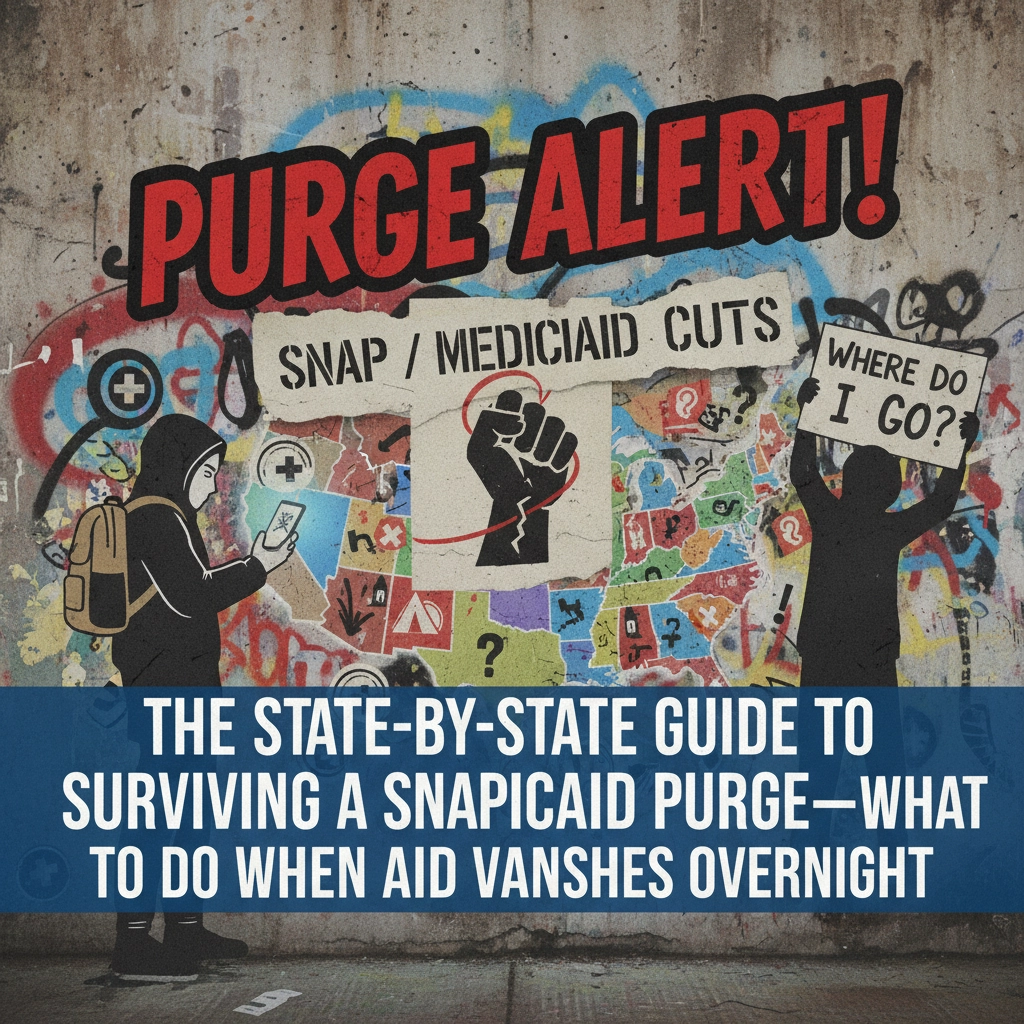
The safety net is being torn apart piece by piece. Recent federal changes to SNAP and Medicaid have eliminated protections for millions of Americans, and state governments are implementing these cuts with ruthless efficiency. If you're counting on government assistance to survive, you need to understand what's happening and prepare for the worst-case scenario: your benefits disappearing without warning.
1. Understanding the New Reality
The 2025 Budget Reconciliation Act fundamentally changed how SNAP and Medicaid operate. Work requirements now demand 80 hours monthly of work, training, or community service from most able-bodied adults. States have been given broad authority to implement these changes, creating a patchwork of policies that can trap families in bureaucratic nightmares.
Premium tax credits for ACA marketplace coverage expire December 31, 2025, potentially leaving 5.1 million people without affordable health insurance. Medicaid expansion enrollees ages 19-64 now face work requirements that many cannot meet due to transportation barriers, lack of childcare, or employment discrimination.

The most vulnerable populations: homeless individuals, veterans, and youth aging out of foster care: have lost previously available exemptions. These changes aren't accidental policy adjustments; they're deliberate attempts to reduce the number of people receiving assistance, regardless of need.
2. State-by-State Implementation Variations
Each state approaches these federal mandates differently, creating critical knowledge gaps that can determine whether you keep or lose benefits.
Red States with Aggressive Implementation: States like Texas, Florida, and Tennessee are implementing work requirements immediately and strictly enforcing new eligibility criteria. These states typically offer minimal grace periods and have reduced administrative support for navigating the new system.
Blue States with Protective Measures: California, New York, and Massachusetts are seeking federal waivers and implementing the changes more gradually. Some are using state funds to maintain certain benefits for residents who lose federal eligibility.
Swing States Creating Chaos: States like Pennsylvania, Wisconsin, and North Carolina are implementing inconsistent policies that vary by county, creating confusion about eligibility and application processes.
3. Early Warning Signs Your Benefits Are at Risk
Don't wait for an official notice to start preparing. Watch for these indicators:
- Requests for additional work documentation
- Changes in your caseworker or case review schedule
- New forms requiring employment verification
- Shortened renewal periods
- Requests to update contact information more frequently
Many states are conducting "compliance reviews" that sound routine but are actually screening processes to identify people for benefit termination. If you receive any communication about verifying your work hours or employment status, treat it as urgent.
4. Emergency Financial Preparation
When benefits disappear, you have days, not weeks, to adjust. Start building emergency resources immediately:
Create Hidden Cash Reserves: Keep small amounts of cash in multiple locations: never rely solely on EBT cards or direct deposits that can be frozen or terminated. Even $20-30 in various hiding spots can buy critical food or transportation.
Map Your Local Food Resources: Identify every food bank, soup kitchen, and community meal program within walking distance or accessible by public transportation. Get their schedules, eligibility requirements, and any documentation they require.
Build Neighborhood Networks: Connect with neighbors who might trade services, share resources, or provide mutual support. Start or join a mutual aid network before you need it.
THIS ISN'T REFORM: IT'S SYSTEMATIC ABANDONMENT
The work requirement expansion isn't about encouraging employment; it's about eliminating aid to reduce government spending. States know that many people cannot meet these requirements due to disabilities, caregiving responsibilities, lack of transportation, or employer discrimination, but they're implementing them anyway.
Consider the math: requiring 80 hours monthly of work means finding more than 18 hours of work per week, every week, with no sick days or family emergencies allowed. For minimum-wage work, this generates roughly $580 monthly: barely enough to survive, but enough to disqualify you from assistance.

5. Healthcare Survival Strategies
Losing Medicaid can be a death sentence for people with chronic conditions. Here's how to maintain access to care:
Community Health Centers: Federally Qualified Health Centers (FQHCs) provide care on sliding fee scales based on income. Locate your nearest center and establish care before you need emergency services.
Prescription Assistance Programs: Pharmaceutical companies offer patient assistance programs for expensive medications. Apply while you still have Medicaid to establish eligibility before coverage ends.
Medical Debt Management: Hospital emergency rooms cannot legally turn you away for inability to pay. Understand your rights and don't let medical debt prevent you from seeking necessary care.
6. Food Security Without SNAP
When food assistance disappears, you need multiple backup strategies:
Food Rescue Networks: Many communities have food rescue programs that collect surplus food from restaurants and grocery stores. These typically don't require eligibility verification and provide higher-quality food than traditional food banks.
Community Gardens and Foraging: Learn to identify edible plants in your area and find community gardens that allow harvesting. This requires advance planning but can provide fresh produce year-round.
Bulk Buying Cooperatives: Pool resources with neighbors to buy rice, beans, and other staples in bulk at wholesale prices. A 50-pound bag of rice costs less per pound than small packages and can feed a family for months.
7. Working the System While It Still Works
Before your benefits disappear, maximize what you can extract from the system:
Medical Stockpiling: Fill all prescriptions to maximum allowable quantities. Get routine medical care, dental work, and vision exams while coverage exists.
Equipment and Supplies: If you're eligible for medical equipment, mobility aids, or other durable medical goods through Medicaid, request them immediately.
Documentation Gathering: Collect all medical records, benefit history, and eligibility documentation. Store copies in multiple locations, including with trusted friends or family members.

8. Creating Alternative Income Streams
The formal economy has failed you, so build alternatives:
Under-the-Table Work: Cash payments for odd jobs, cleaning, landscaping, or childcare don't create official work documentation but provide immediate income. Build relationships with people who pay cash for services.
Skill Bartering: Trade your abilities for goods and services. If you can repair electronics, cook, clean, or provide transportation, find neighbors willing to trade for food, utilities, or housing assistance.
Resale and Recycling: Learn what items have resale value in your community. Scrap metal, electronics, books, or clothing can generate small but consistent income streams.
9. Housing Protection Strategies
Losing benefits often leads to housing instability. Protect yourself:
Know Your Rights: Understand eviction laws in your state and city. Many localities require 30-60 days notice and specific legal procedures that landlords often ignore.
Document Everything: Keep records of all rent payments, maintenance requests, and landlord communications. Bad landlords often retaliate against tenants who lose income by fabricating lease violations.
Build Tenant Networks: Connect with other tenants in your building or neighborhood. Collective action against landlords is more effective than individual resistance.
10. Mental Health and Community Resilience
Benefit loss creates trauma and isolation. Protect your mental health:
Grief and Anger: Losing benefits that kept you alive creates legitimate grief and rage. Don't let anyone tell you to "be grateful for what you have" when the system has abandoned you.
Community Connection: Isolation kills faster than hunger. Maintain relationships with people who understand your situation and can provide mutual support.
Political Action: Channel your anger into organized resistance. Contact elected officials, attend public meetings, and document your experience for others facing similar situations.
What You Can Do Right Now
Stop waiting for someone else to save you. The system is designed to eliminate your access to resources, and it's working exactly as intended.
Document everything. Photograph your benefit cards, save all correspondence, and record conversations with caseworkers. When they cut your benefits illegally: and they will: you'll need evidence.
Connect with others in your situation. The state wants you isolated and ashamed. Refuse to cooperate with your own marginalization.
Fight back through every available channel. Appeal benefit terminations, file complaints with oversight agencies, and share your story with local media and advocacy organizations.

Most importantly, recognize that this crisis isn't your fault. You didn't create the conditions that made you need assistance, and you don't deserve punishment for seeking help to survive.
The safety net was never meant to catch everyone: it was designed to let most people fall while providing the illusion of protection. Understanding this reality is the first step toward building something better in its place.
Start building those alternatives now, before you need them. Your survival depends on it.
Member discussion