
Surveillance State vs. Ungovernable Communities: Which Side Are You Actually On?
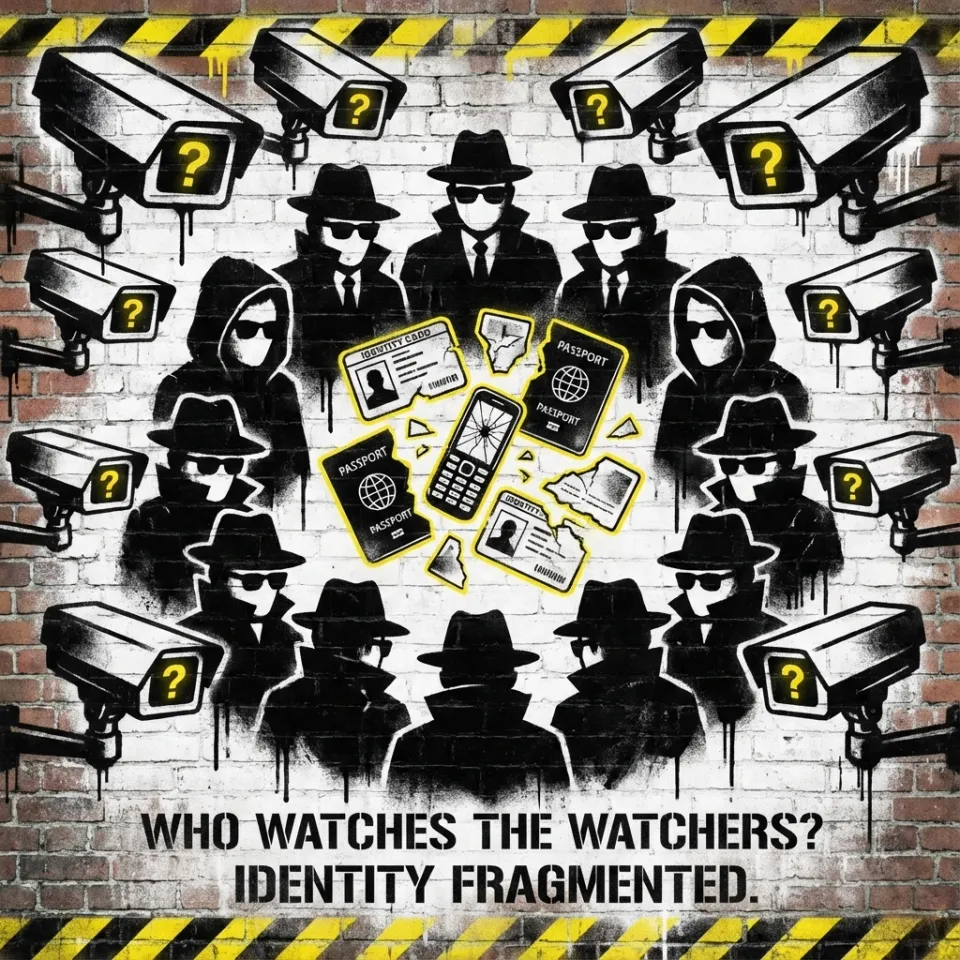
It's 2024, and you're probably scrolling through your phone or reading this post from the comfort of your smart apartment—all thanks to the surveillance state. This isn't some dystopian fantasy; it's the cold, wet reality that's been slowly suffocating us. And the biggest lie we’re all buying is that the system’s out there watching us, but really, what they’re doing is watching you from behind your own back door—because you’re too lazy to notice.
The surveillance state isn’t just about cameras and data harvesting—it's about control. It’s about making us look good on social media while letting cops, corporations, and the wealthy elite dictate how we live our lives. And the worst part? We're paying for it—directly or indirectly.
The System’s Eye: How Surveillance Actually Works Against Us
Let’s get real. You’ve probably seen the ads about “smart cities” and “safety cameras.” But here’s what you’re not being told: those cameras aren’t just watching to keep us safe—they’re training algorithms to predict when someone will be disruptive, before they even have a chance to organize. We’re getting judged by our Wi-Fi habits, our online searches, and the very way we move through public spaces.
And it’s not just tech companies with ulterior motives—the government’s watching too. The FBI’s Open Source Intelligence (OSINT) teams are sifting through your Facebook posts, your credit card transactions, and even your missed Zoom meetings. It’s all a game of preemptive control: catch dissent before it starts.
This isn’t some vague “big brother” scenario. It’s the real deal. And what does it cost us? Privacy, autonomy, and the right to be ungovernable—that’s our superpower as communities. The moment we let those cameras and data networks decide what’s acceptable, we’re giving up.
The Cost of Compliance: Why You Shouldn’t Be Surprised When You’re Next
Let’s talk about the why behind this surveillance madness. The real target isn’t just your face—it’s your freedom. And corporations? They’re not here to help us—they’re here to sell us a world where convenience trumps privacy, and individuality is crushed under algorithmic pressure.
But it doesn’t stop there. The state uses this data to justify crackdowns on communities that don’t fit the mold. From protest organizers to homeless individuals, you know who they’re watching—and you know what happens when they cross a line: increased scrutiny, harassment, and worse. And because surveillance is so normalized, we’ve convinced ourselves it’s for our own good.
But here’s the real kicker: this system isn’t just about keeping us under control—it’s also about dividing us. The more data you share, the more targeted ads, fines, and arrests are thrown at you. So, even if you think surveillance is about “safety,” it’s really just a tool to keep marginalized folks in check while the wealthy just enjoy their unearned peace.
Tools of Resistance: How to Stay Ungovernable
So, what can you do? You don’t need a secret arsenal of gadgets—just smart moves that make it harder for the surveillance state to pin anything on you. First off, disconnect from the big networks. Use privacy-focused browsers like Tor or Brave, and always encrypt your messages with Signal or Wire.
Next up: adopt anonymity tools. Mix networks, burner phones, and temporary email services—the more layers of disguise, the better. And when it comes to social media, use pseudonyms and avoid linking personal details. Think twice before sharing real-time location tags or detailed event plans online.
But the real edge? Know your rights. Familiarize yourself with local privacy laws, understand how warrants work (and how to fight them), and join communities that are already doing this. There’s strength in numbers—and knowledge.
The Bigger Picture: How Surveillance Fosters Oppression
You might be thinking, “Okay, but this isn’t a conspiracy—it’s just some tech stuff.” And yeah, it is. But here’s the damning truth: this surveillance infrastructure doesn’t exist in a vacuum. It works hand-in-hand with gentrification, housing policies that drive out dissenters, and policing strategies designed to crack down on communities that don’t look like them.
The moment you’re being watched, you’re already being labeled as a problem. You’re more likely to get stopped, fined, or shut down for minor infractions—because the state is using surveillance not just to monitor, but to justify oppression. And worst of all? Once they know you’re watching, they’ll invent excuses to keep you off-limits.
Who’s Actually Doing the Watching—and What Are They After?
Let’s name names. There’s Clearview AI—the company that scrapes your face from every corner of the internet and gives it straight to cops who want to find “suspicious” activity. Then there’s the Department of Homeland Security, which uses predictive analytics to flag communities deemed “high risk.” And don’t forget about local law enforcement—they’ve got their own surveillance tools, often bought off the shelf from big tech.
But here’s what they’re really after: your ability to organize. When you know someone’s watching, when your every move is being logged and analyzed, you stop attending meetings, skipping protests, or sharing information openly. That’s not just paranoia—it’s self-censorship. And that’s exactly what the system wants.
The Choice Is Clear: Which Side Are You On?
So, you’ve been watching. You’ve noticed those cameras in your neighborhood. Maybe you even downloaded a free VPN out of habit. But here’s the hard truth: you’re choosing which side this surveillance state is on.
The system wants you complicit—justified and distracted enough to keep obeying without questioning. But we don’t want that. We want to be ungovernable. We want to challenge power, not just evade it. And the moment you start seeing through the lie—the moment you realize surveillance isn’t about safety, but control—it’s time to take a stand.
Your Tactical Playbook: What You Can Actually Do Now
So, what do you do next? First, stop trusting everything. Every app you download, every click you make—it’s data gold for the surveillance state. Next, use your knowledge to act. When someone asks why they’re being monitored, don’t be silent. Share what you know.
Join local groups that are fighting back: neighborhood watch replacements run by community leaders, encrypted messaging circles, and grassroots campaigns against facial recognition laws. And if you have the skills? Offer them. Teach others how to use privacy tools, how to fight surveillance requests, and how to stay anonymous in public spaces.
And don’t forget to vote with your wallet. Support businesses that prioritize privacy over data harvesting—because every dollar spent on a company that respects your freedom is a blow to the system.
The Final Spark: Get Ungovernable
The surveillance state isn’t just watching—it’s winning. But we’re not going down without a fight. And the moment you stop being quiet, you become part of the resistance. You stop being on their side—and start being the one who sees through it.
So go ahead. Stop using those face-tracking apps. Unfollow the accounts that feed the system’s narrative. Start building your own defenses—not just against surveillance, but against everything that tries to control you. Because when we’re ungovernable, there’s no system strong enough to break us.
And that’s exactly what we need.
Member discussion