
School Boards, Cops, and You: Turning Local Meetings Into Battlefields for Real Change
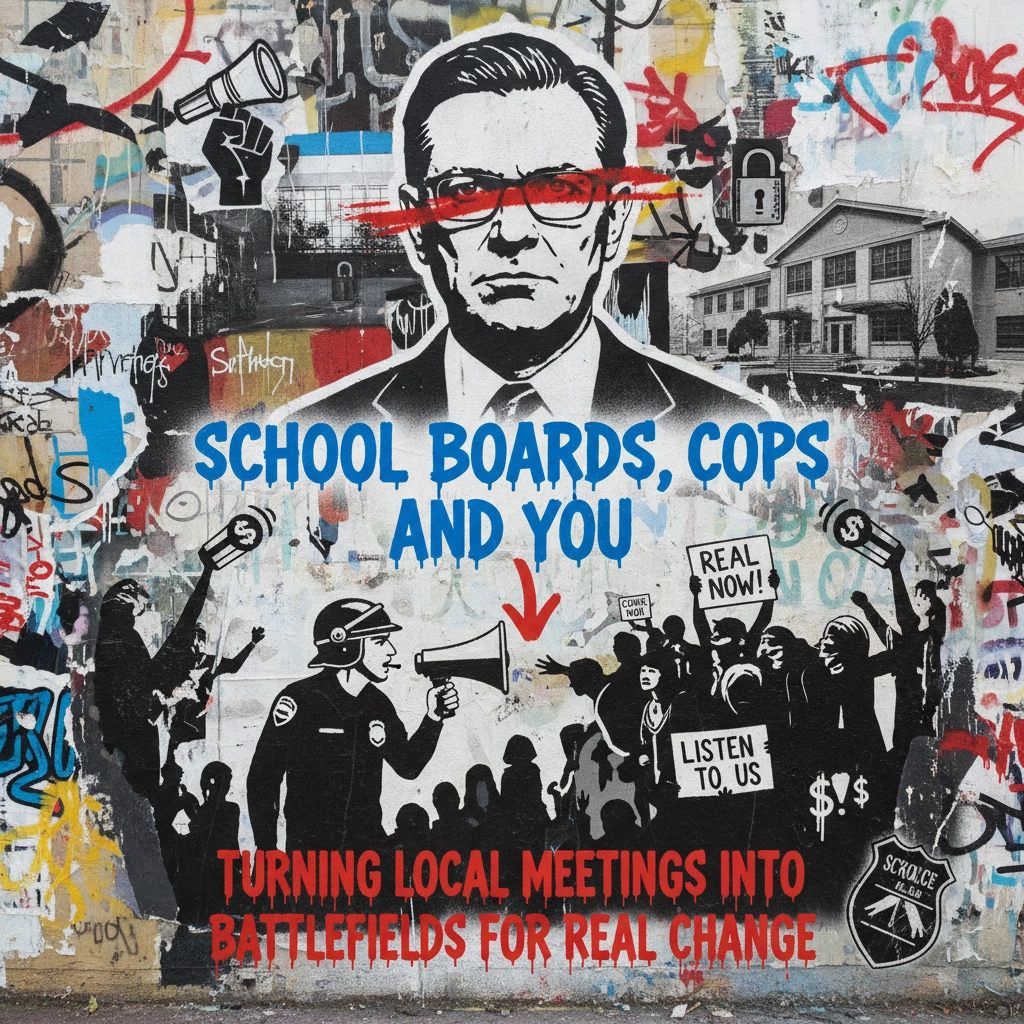
Your local school board meeting isn't just another boring bureaucratic theater performance. It's ground zero for the policies that shape your community's children, determine where your tax dollars flow, and decide whether armed cops patrol elementary school hallways. Yet most people treat these gatherings like optional background noise while their neighborhoods get reshaped by decisions made in half-empty conference rooms.
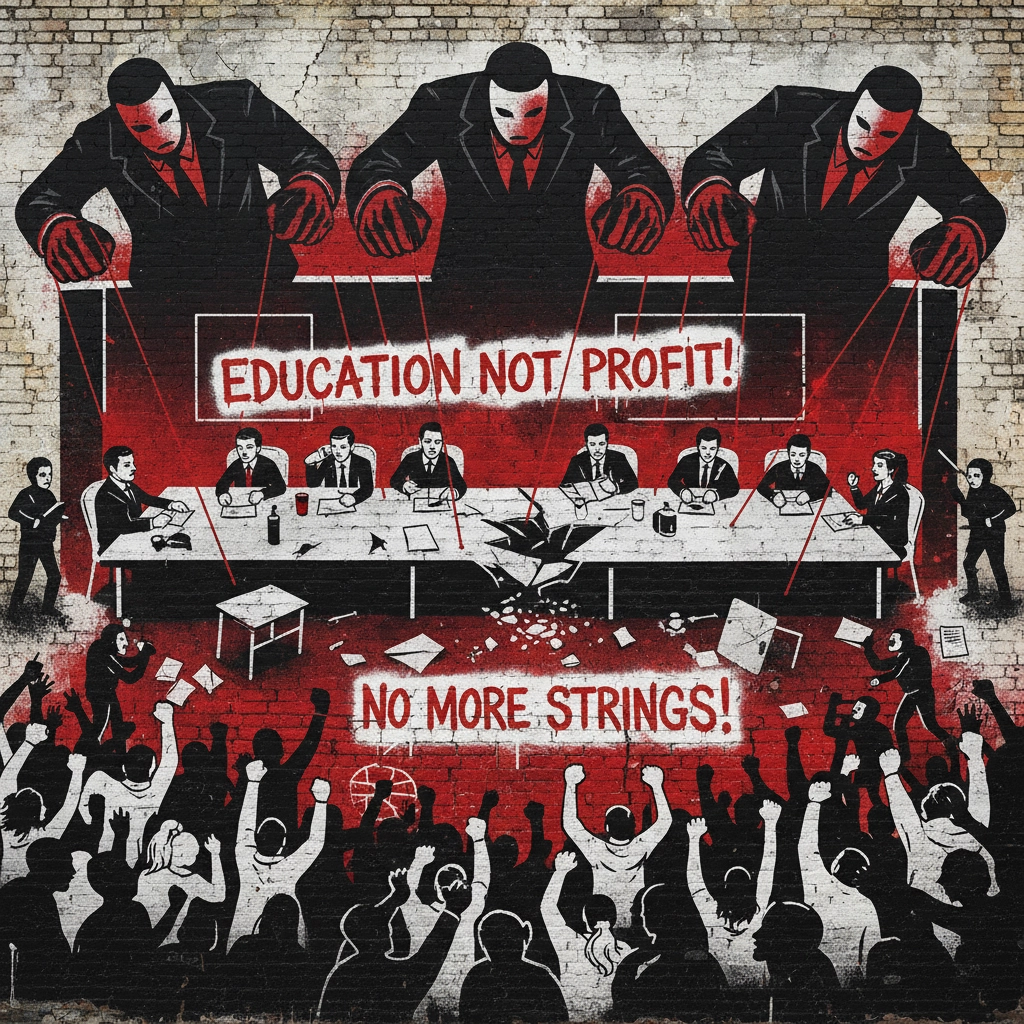
1. The Real Power Structure Hiding in Plain Sight
School boards control budgets that dwarf most city councils. They decide curriculum, discipline policies, resource allocation, and increasingly, the role of police in educational environments. These positions are often stepping stones to higher office, filled by individuals with political ambitions who see education as a convenient platform for their careers.
In Columbus, Ohio, we recently witnessed what happens when school administrators and police clash over protocol. A middle school principal refused police entry during a bomb threat investigation, citing "district protocol." The resulting confrontation revealed the complex web of authority, safety concerns, and institutional power that operates largely without public oversight.
This wasn't an isolated incident of miscommunication. It's a symptom of deeper structural problems: unclear chains of command, conflicting priorities between educational and law enforcement institutions, and policies developed without meaningful community input.
2. Why Your Absence Is Their Victory
Low attendance at school board meetings isn't accidental: it's by design. These meetings are scheduled during work hours, held in locations that require transportation, and conducted in language designed to exclude rather than include public participation. The system depends on your absence.
When community members don't show up, board members make decisions based on pressure from well-organized interest groups: police unions pushing for school resource officers, private security companies lobbying for contracts, and political organizations advancing ideological agendas. Your silence becomes their consent.
The Akron incident where a police officer repeatedly punched a high school student during an arrest demonstrates what happens when oversight mechanisms fail. The police auditor eventually cleared the officer but recommended policy changes: changes that might have been unnecessary if community oversight had been effective from the start.
3. Mapping Your Local Power Network
Before you can effectively challenge decisions, you need to understand who's making them and why. School board members often have day jobs, political connections, and financial interests that influence their votes. Research their backgrounds, campaign contributions, and voting patterns.
Identify the key players beyond elected board members: the superintendent, assistant superintendents, business managers, and legal counsel who shape policy recommendations. These unelected officials often wield more practical power than board members themselves.
Document the relationships between your school district and local law enforcement. How many police officers are stationed in schools? What's the annual cost? How are incidents reported and tracked? Most districts won't volunteer this information, but public records laws require them to provide it when requested.
4. Weaponizing Public Comment Periods
Public comment periods exist to create the illusion of community input while maintaining control over the conversation. Time limits, topic restrictions, and formal procedures are designed to minimize impact. Learning to work within these constraints while maximizing your message's effectiveness is crucial.
Come prepared with specific facts, referenced policies, and clear demands. Emotional appeals have their place, but board members dismiss passionate but vague complaints. When you cite specific budget line items, reference district policies by number, and present documented evidence of problems, they can't easily ignore your concerns.
Coordinate with others to present a unified message across multiple speakers. This amplifies impact and demonstrates organized community concern rather than isolated individual complaints.
5. The Strategic Use of Public Records
Public records laws are your most powerful weapon for exposing what really happens behind closed doors. School districts must provide access to budgets, contracts, personnel records (with privacy protections), meeting minutes, emails, and internal communications.
Request records systematically, not randomly. If you're challenging police presence in schools, request contracts with law enforcement agencies, incident reports, disciplinary statistics broken down by demographics, and budget allocations for security versus educational resources.
Document patterns of spending that prioritize security theater over educational needs. Many districts spend more on police officers than on librarians, counselors, or arts programs. These budget priorities reflect institutional values that community pressure can change.

6. Building Coalitions That Can't Be Ignored
Individual voices get dismissed. Organized coalitions representing teachers, parents, students, and community organizations create political pressure that board members can't ignore, especially during election cycles.
Connect with existing organizations rather than starting from scratch. Parent-teacher associations, teachers' unions, civil rights groups, and community organizations already have members, resources, and institutional knowledge you can leverage.
Focus on shared concerns rather than ideological divisions. Liberal parents worried about school-to-prison pipeline policies and conservative parents concerned about government overreach in education can find common ground on issues like excessive police presence in schools.
THIS ISN'T PROTEST: IT'S STRATEGIC INTERVENTION
Traditional protest tactics: signs, chants, and demonstrations: have limited effectiveness in institutional settings designed to minimize disruption. School board meetings require different strategies that work within legal frameworks while maximizing pressure for change.
The goal isn't to shut down meetings or create chaos. It's to make the cost of ignoring community concerns higher than the cost of addressing them. This requires sustained pressure, strategic communication, and tactical flexibility.
Document everything. Record meetings when permitted, photograph public documents, and maintain detailed records of interactions with officials. This documentation becomes evidence when challenging decisions through formal appeals, media campaigns, or legal action.
7. Targeting Election Cycles for Maximum Impact
School board elections typically have low turnout, making organized communities disproportionately powerful. Research candidates' positions on police in schools, disciplinary policies, budget priorities, and transparency measures before elections, not after.
Organize candidate forums focused on specific issues rather than general educational policy. Force candidates to take public positions on controversial topics like school resource officer programs, surveillance technology, and disciplinary policies that disproportionately affect students of color.
Use endorsement processes strategically. Even small community organizations can influence elections by publicly supporting or opposing candidates based on specific policy positions.
8. Creating Accountability Through Media Strategy
Local media coverage can force school boards to address issues they'd prefer to handle quietly. Develop relationships with education reporters, provide them with newsworthy information, and frame stories in ways that generate public interest and concern.
Social media amplifies traditional media coverage and allows direct communication with community members. Share meeting footage, document policy impacts, and connect local issues to broader national conversations about education, policing, and community safety.
Create compelling narratives that connect abstract policies to real student experiences. Budget numbers and policy language become meaningful when connected to specific stories about how these decisions affect actual children and families.
9. Legal Pressure Points and Formal Challenges
Understanding your legal rights and the district's legal obligations creates additional leverage for policy change. Districts fear lawsuits, federal compliance issues, and state intervention more than community criticism.
Challenge policies that may violate students' constitutional rights, federal civil rights protections, or state education laws. Even credible threats of legal action can motivate policy changes, especially when combined with public pressure and media attention.
File formal complaints with state education departments when districts violate transparency laws, misuse public funds, or implement discriminatory policies. State oversight agencies have enforcement powers that community organizations lack.
10. Your Role in the Larger Battle
School board activism isn't just about education policy: it's about community self-determination. These local battles connect to broader struggles over police power, resource allocation, and democratic participation in government decision-making.
The techniques that work in school board meetings translate to city council meetings, county commissioner sessions, and other local government forums where critical decisions get made with minimal public input.
Success requires sustained engagement, not sporadic outrage. Showing up once or twice won't change entrenched systems. Building lasting change requires consistent pressure, strategic thinking, and long-term commitment to community organizing.
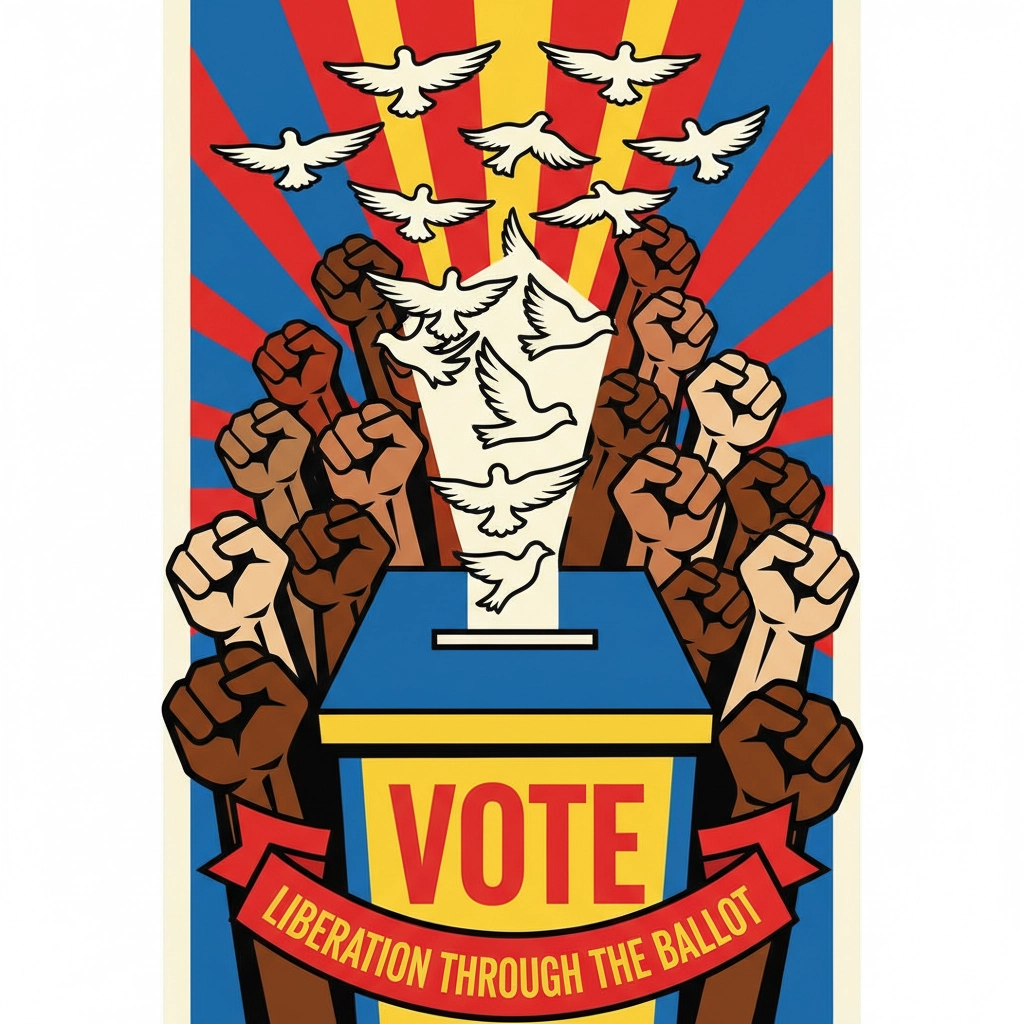
Your local school board meeting next week will determine policies affecting thousands of children for years to come. The question isn't whether these decisions will get made: they will. The question is whether your community will have any influence over them, or whether you'll continue letting unaccountable officials reshape your neighborhood while you stay home and complain about the results.
The choice between passive spectatorship and active resistance happens every meeting, every election cycle, every time these institutions assume your silence equals your consent. What happens next depends entirely on whether you're willing to make these meetings as uncomfortable for them as their policies are for your community.
Member discussion