
How to Turn Public Hearings Into Acts of Local Insurrection
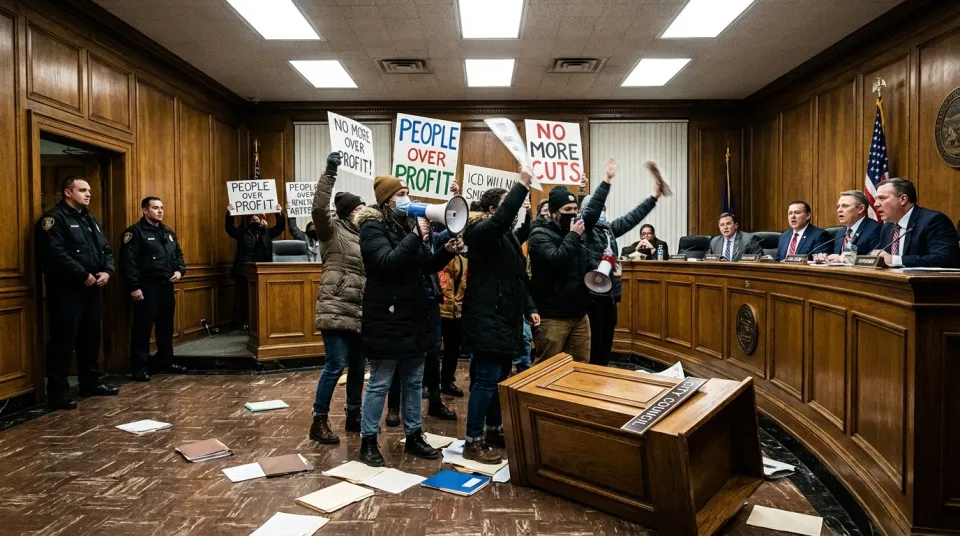
Unleash Your Fury in the Courtroom: The Art of Transforming Public Hearings into Acts of Radical Resistance
Let's cut straight to the fire—public hearings are nothing more than a veneer of democracy for corporate cronies and corrupt officials. But they’re perfect opportunities to flip the script, weaponize anger, and start something explosive. If you’ve got rage in your veins, let’s learn how to turn those formal proceedings into acts of local insurrection—where every witness is a rebel, every rule defied, and every courtroom becomes a battleground.
The Power of Public Hearings: Your Stage, Your Weapon
You think these hearings are just about presenting facts? Think again. They’re theatre, but instead of applause, you want thunderous cheers—and in some cases, even fist-pumping solidarity with the resistance. Corporations and local government watch these sessions like they’re front-row seats to a crime show, waiting for the next big scandal to pop up.
But here’s what you can do: turn their complacency into your advantage. Public hearings are supposed to be about transparency—let that transparency backfire on them by turning it into a platform of defiance and outrage.
First off, don’t let yourself get drawn into the script. They want you to read like some bureaucratic drone. They want facts, dates, and “official” language. You want passion, anger, and real people talking about what matters. So prep like a warrior—know your history, know their lies, and have something sharp to say.
Ditch the Script: How to Convince the System You’re Not Just a Witness…
Most folks show up to public hearings with notepads full of questions—good if you’re on the side of accountability—but you want to go further. You need to take control, hijack their agenda, and make it about YOU: the people they’ve disrespected, the rules they’ve broken, the promises they haven’t kept.
Start by choosing your moment. Pick a hearing that’s hot-button stuff—landlord evictions, zoning changes that hurt working-class neighborhoods, permits for projects that destroy communities you care about. These are the fires where real action lives.
Then, dominate the witness stand. You don’t want to just read your prepared lines. Speak like a truth-teller. Speak like someone who’s been wronged and won’t be silenced. Use stories—personal ones. Mention specific policies, names of corporations, and real consequences they’re ignoring or enabling. The goal? Make them feel like they’ve lost their audience to the fury of the people.
And here’s where it gets even better: call out the people behind the curtain. “Don’t just talk about regulations—they’re a cover for greedy landlords selling our homes at the drop of a hat,” or “That zoning change? It’s not progress, bastards—it’s a death sentence for local families.” Make it personal. Name names. Make them feel like their little faceless system is their problem—and that they’re failing them.
The Tactical Playbook: Tools to Turn Hearings Into Chaos
Now let’s get into the real, actionable stuff you can do during these sessions to make your fury not just loud—but lethal in impact.
1. The Art of the Rampant Contempt Speech
Start by flipping their script entirely. Forget polite questions and bland answers. Speak with venom. You’re not here for civility; you’re here to expose lies and rally anger.
Example: “Let’s talk about this ‘regeneration project’ they’ve been pushing for months. Sure, the mayor says it’ll bring jobs—and who gets those jobs? The billionaire developers who already own three buildings on our street. Meanwhile, your real job creation is letting families like mine be priced out. And you know what’s worse? They won’t even tell us how many of these ‘jobs’ are actually just low-wage sweatshops.”
Use your voice—yell if you have to. Scream if that’s your style. Make the room feel like they’re talking to a crowd on fire, not two bureaucrats in a suit.
2. The Power of Documented Outrage
Don’t just shout—it back up every word with proof. Bring printed copies of emails, leaked documents, or anything that shows exactly how the system is failing you. If you can show them what they’ve been hiding, now’s your chance to smash their credibility in front of everyone.
For example: “Look at this—our tenant was denied security deposit after months of late payments, but when we dug into their records…” (show document) “They’re a landlord who uses eviction threats to squeeze every last dime out of us. This isn’t capitalism—it’s predation.”
3. The Ripple Effect of Strategic Disruption
Now that you’ve made your voice heard, go further. Disturb the status quo.
- Startle the officials. Ask a direct, confrontational question: “What about this eviction? Who’s the actual owner here?” (and don’t back down if they dodge).
- Call out hypocrisy. If they’re pushing ‘transparency’ but won’t let you see the real deal, say it: “You’re full of it. You want us to trust them with our homes—but when we dig deeper? They disappear behind their PR spin.”
- Make others look foolish. Point out how other witnesses are just echoing corporate talking points, while you’re leading from the front.
The goal is not to be polite—you’re on fire. You want people hearing you, seeing you, and acting like they’ve been part of something bigger than a courtroom.
The Moment They Realize: It’s Time to Act
Let’s cut through the noise—they’re there, listening. Now it’s their turn to react.
And what are YOU doing about it? Are you just tuning in, nodding along, or are you already thinking of how to take this beyond the hearings? Because this is where real insurrection begins—when you stop talking and start moving.
Turn Fury Into Action: What’s Next After the Hearing?
- Amplify it. Share your experience on social media, not as a vague complaint but with fire: “Witnessed a landlord use eviction threats to squeeze every last dollar from my family. Here’s what they’re hiding—and why you need to care.” Include hashtags like #StopPredatoryLandlords and tag local activists or groups who can help take this further.
- Organize a follow-up. Reach out to the same people at the hearing. “This wasn’t just a hearing—it was our moment. Let’s organize a community meeting, set up watchlists for evictions, and start pushing for tenant protections.”
- Dig deeper with your network. Ask: “Who else here knows about this? Who has similar stories we can share?” You’re building a chain of resistance—one angry person after another.
- Take legal action if needed. If you’ve been harassed, threatened, or silenced, get in touch with local civil rights groups. They’ll help turn your anger into something they can fight for—like filing complaints or supporting bail funds.
Tactical Payoff: Tools You Can Use Today
- The Power of the Voice: Scream when it matters. Make sure every word carries weight.
- Documentation: Keep a “resistance journal”—write down everything you hear, see, and feel. It’ll become your weapon in the fight.
- Local Allies: Find out who’s on the ground—tenant unions, housing activists, community organizers. They’re the ones who’ve been doing this before. Connect with them.
- Social Media as Combat: Use platforms to expose lies in real time. Hashtags like #EvictNotExpel or #HoldTheBosses are powerful when used strategically.
The Fire Never Dies: Keep the Fury Burning
Public hearings might be just one scene, but they’re not the end—they’re the beginning. Every shout in that courtroom fuels the wider movement. Every story you tell pushes someone else to speak up. And every act of resistance chips away at their control—because when enough people scream louder than fear, the whole system cracks.
So go out there and make those hearings your battlefield. Let your rage not just fill a room—it should ignite an uprising.
The next hearing isn’t just another formality; it’s your chance to show the world who’s really in charge: you.
Member discussion