
How to Organize Mutual Aid That Actually Threatens Power: The 5-Step Framework They Don't Want You to Know
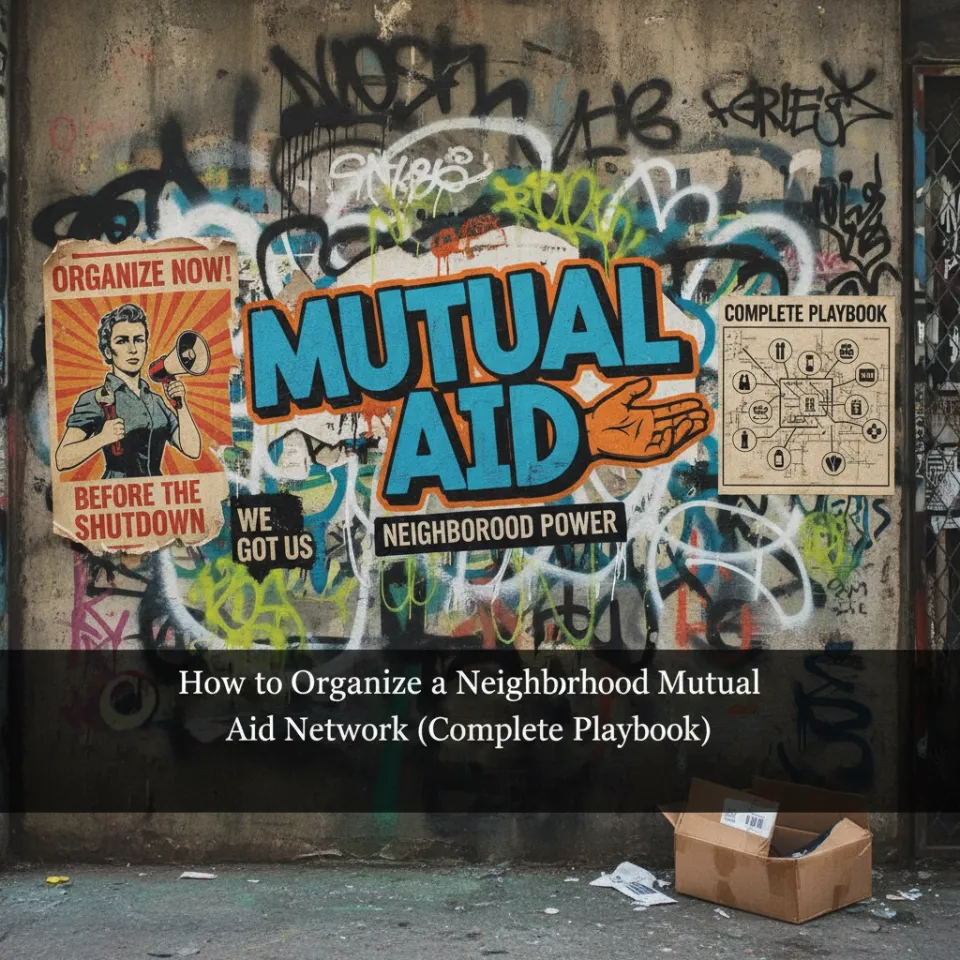
How to Organize Mutual Aid That Actually Threatens Power: The 5-Step Framework They Don’t Want You to Know
You want mutual aid? Yes. But not the sanitized, bureaucratic version that plays along with the system. No, we’re talking about something raw, unyielding—mutual aid so strong it feels like a direct attack on the very foundations of power. That’s what this is all about: how to build that kind of mutual aid, and why they don’t want you doing it.
Let’s get real. The systems we live under aren’t broken—they’re rigged. They feed on our passivity, turning us into bystanders in our own oppression. But here’s the secret weapon: mutual aid—the idea that communities come together, support one another, and take control of their survival on their own terms. Not charity from above, not handouts from institutions, but something far more dangerous—and way more effective.
Now, let’s dive into the 5-Step Framework—the blueprint that doesn’t play by the rules you’ve been taught. Let’s make this brutal, clear: this isn’t about being “nice.” This is about making the game unplayable for those who keep you down.
Step One: Identify the Cracks in the System
You don’t organize from a podium or a boardroom—you find them first. Go where the cracks are deepest, where the system has already failed. It’s not in your fancy city center; it’s in the backstreets, the shelters full of people clinging for scraps, and the neighborhoods where the real power plays out: landlords squeezing every last cent, corporations slashing benefits, and state neglect that makes survival a daily battle.
Look beyond the headlines. Who’s really being left behind? What are their pain points? The places where hunger gnaws, where medical care is a luxury, and where people feel abandoned by everyone but each other. That’s your battlefield—and your starting point.
Step Two: Disconnect from the Charity Myth
This isn’t charity—it’s resistance. They say “charity” to make it palatable. But what they’re really doing is keeping you dependent, pacified, and divided. You can’t fix this system by feeding people while the engines keep running—you have to run the engines yourself.
So ditch the “helping the poor” narrative. Build something that doesn’t need permission or approval from someone above. When you organize on your own terms, without relying on fake institutions or performative compassion, you start breaking through complacency in ways they never could.
Step Three: Create Your First Mutual Aid Circle
Now’s the time to get dirty and practical. Gather a core group of people who see this same fire ahead—the ones who won’t wait for someone else to act. Meet in secret if you need to, away from prying eyes and ears. Define clear roles because efficiency is your weapon: food distributors, medical helpers, repair crews, mental health supporters—whatever it takes to make your circle self-sustaining.
Don’t waste time on meetings that turn into social gatherings. Meet when the noise dies down, talk about survival, and get to work. Build a structure that works for you, not around you. This is where power begins: in collective organization, not in passive acceptance.
Step Four: Expose Who’s Beneficiary
You can’t dismantle a system without making its players feel exposed. Don’t hide behind vague “community groups” or official channels—call them out. When people know who profits off their pain—the landlords squeezing rents, the CEOs soaking up every dollar, the politicians lining their pockets with public funds—they lose power faster than they think.
Publicize what you see. Share evidence, organize meetings where these names get shouted at loud enough to echo through alleys and town halls. Make it personal. Let your circle turn into a movement because people don’t care about abstract systems—they care about the ones who’ve been cheating them long enough.
Step Five: Take It Further Than Others Will
Here’s where most folks stop—because they’re scared of what happens next. But you don’t want to stop at sharing. You want to threaten. Mutual aid that disrupts, that draws attention, that makes those in power uneasy—the kind of thing they’ll fight tooth and nail to suppress.
When your circle isn’t just surviving—it’s actively challenging the status quo—you’ve created something dangerous. They won’t want you to succeed because success means their system starts crumbling. So don’t hold back. Push harder, organize faster, take more risks. Because when they see what real power looks like—the kind built by people who refuse to be left behind—you’ll make them tremble.
The Fire Never Dies
This isn’t a one-time plan—it’s the beginning of something bigger. Every circle you build is a spark. Every exposure, a blow to their confidence. Every act of mutual aid that threatens their control adds fuel to the fire until they can’t put it out anymore.
So stop playing by the rules. Stop waiting for permission or waiting for change to come from above. The time to start organizing is now—because you don’t just want mutual aid; you want something that threatens power so deeply, it burns through the lies and keeps getting stronger until it’s unstoppable.
Now go get your hands dirty—and let the world see what real resistance looks like.
Member discussion