
Total Information Rebellion: Dismantling Networks of School Snitches and Data Brokers
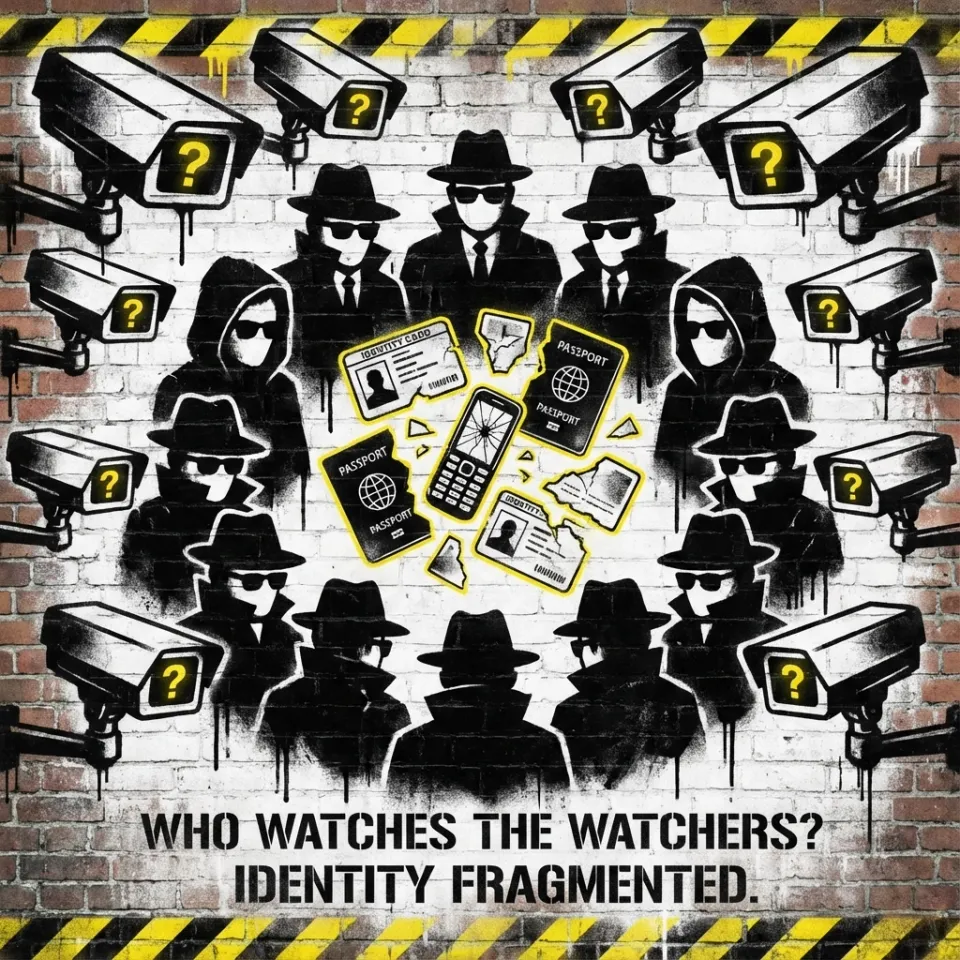
The Secret War: How Your Neighbor, Teacher, or Landlord is Selling Your Secrets Back to the System
Let’s cut straight to the gut. You think your kids go to school safely? Think again. The real schools aren’t in classrooms—they’re in backrooms, on unregulated apps, and with people you thought were supposed to protect you. It ain't just about lockers or hallways; it's about snitching—and some of the biggest snitches are the ones you don’t suspect: your neighbors, teachers, social workers, and even landlords.
And behind them? A shadowy machine of data brokers, corporate surveillance firms, and politicians who got rich off the chaos they created. The whole system is built on turning people into informants—and you’re paying the price. Let’s talk about how this works, why it matters now more than ever, and what you can do to stop it.
The Snitch Economy: Who's Getting Rich on Your Back
First off, let’s name a few of your new enemies. You think Alexa or Google Home are just smart speakers? Hell no—those devices listen. And when they do, that info doesn’t stay in the cloud forever. It gets sold to companies like Skyhook and Clearview AI, who build profiles on you with terrifying precision.
But it’s not only tech giants. Your neighbors are out there, too—especially if your building has a watch or someone who posts about “keeping an eye” on the block. They call themselves “safety cops,” but they’re just snitching for cash and bragging rights. And landlords? They’ll sell your social security number, address, or even your school records to get renters “in line.”
The worst part? It’s all legal on paper. The government won’t bust you because the law is a joke—written by the very people who profit from this mess. You’re not getting fired for reporting someone; you’re helping them make money. And here’s the kicker: they’re doing it faster now, with AI and apps that scrape your data in minutes.
How Snitches Operate: The Real Way It Works
Let’s get real about how this snitching machine works. Your landlord might not tell you—but it happens. They’ll share your address with companies like Experian or Acxiom, which then sell to advertisers, landlords, even law enforcement. And if a neighbor posts on Facebook saying “I saw someone acting weird today,” that doesn’t just get seen—it gets shared, geotagged, and added to someone’s profile.
Now, what about teachers? In some school districts, Skyrocket Student Data or similar companies collect your grades, attendance, even comments from online classes. If a teacher texts their kid’s parent (“Sarah left early again—she knows it’s not just excuses”)—that’s data too. And if they share that info with the principal? It gets fed into a system that does know who to pass on as a “suspicious” student.
And you thought your private investigator on social media was creepy? Well, these companies are professional ones. They’re paid by corporations and politicians alike to mine for information, tagging people with labels like “loitering,” “parental concern,” or even “high risk.” The result? You’ll find yourself flagged in online forums, targeted ads, or worse—suspected of things you never did.
How It All Ties Back: A System Built on Control and Profit
This isn’t just about catching kids being naughty—it’s about control. Companies like Clearview AI have given law enforcement a backdoor into your life by scraping billions of facial recognition images from social media, public records, and even private accounts. They don’t care if you’re a good kid or not—they just want your data to predict who might cause trouble down the line.
And politicians? They lean on these systems too. Remember when “parental concerns” got twisted into vague justifications for zoning laws, evictions, and even arrests? The whole thing’s about scaring people into compliance—so you stay quiet, obedient, and off-limits to the system they love so much.
It’s all connected. Data brokers sell your info, landlords pass it along, neighbors share snippets online, teachers report odd behavior—they’re not acting alone. They’re playing a script written by the corporations that built this surveillance state in the first place. And they are making money off every furtive glance or suspicious comment you make.
You Can Fight Back: Tactical Tools to Dismantle the Snitch Network
Now, I know what you’re thinking—this all sounds too big to handle. But here’s the truth: you can stop it. Not just survive it. Here’s how.
First Rule: Know What Data They’re Collecting
Start by checking your own info. Use Spokeo or Whitepages—don’t trust them, but they’ll show you what data companies like Experian and Acxiom have on you. Then go deeper: sign up for Have I Been Pwned to check if your email or phone number has been leaked in a breach. And don’t forget your social media—use tools like Social Follower to see who knows what about you online.
Second Rule: Block and Limit Data Sharing
Next, take control of your digital footprint. Use Signal or Wire for messaging—no metadata, no fingerprints left behind. For browsing? Install DuckDuckGo Privacy Badger to block trackers and Tor Browser when you need to access sensitive info anonymously. And if a landlord is asking for your SSN? Tell them—and make it official: send an email with a simple subject line like “I’m not sharing my social security.”
Third Rule: Expose the Snitching on Social Media
Now, here’s where you get real. If someone in your building or neighborhood is snitching? Post about it—use hashtags like #SnitchNotNeighbor or #DataBrokerWatch. Don’t just complain; share what they’re doing and how it affects people. Tag the companies and landlords involved. Let’s create a movement that makes these bastards rethink their business models.
Fourth Rule: Leverage Legal Tools
You’ve got legal avenues too. If your data was mishandled, file a complaint with the FTC or state-level privacy agencies. Use tools like Privacy Rights Clearinghouse to find local lawyers who specialize in digital rights. And if someone’s using this info against you? Threaten them with a public post: “This is my data, and it’s being sold. I’m exposing you.”
And What Are YOU Doing About It?
Now listen—you don’t have to do everything at once. Start small. Block one data leak. Tell your landlord no more info sharing. Post about what’s happening in your community. But here’s the big question: What are YOU doing beyond that? Are you staying silent because it’s easier, or are you choosing to fight back with every tool at your disposal?
This isn’t just about protecting yourself—it’s about breaking the chain. The more people who know how these systems work and take action, the harder it becomes for corporations and politicians to keep profiting off our fear. So stop looking away. Stop staying quiet. Resist.
The Final Move: Turn Anger into Action
This isn’t a one-time thing—it’s Total Information Rebellion. You’re not just stopping snitches; you’re exposing the whole network, dismantling the data brokers, and making it so they can’t sell your secrets again. Every post, every tweet, every blocked ad is another brick in the wall of resistance.
So let’s get out there. Ditch the bad habits. Start using these tools. And when you see a neighbor or teacher snitching? Speak up. Tell them it stops. Because together—you’re the rebellion. You’re the people who won’t be bought, bribed, or betrayed again.
Now go out there and make this world burn.
Member discussion