
The Surveillance State Can't Stop a Crowd: Protest Tactics That Break Their Algorithms
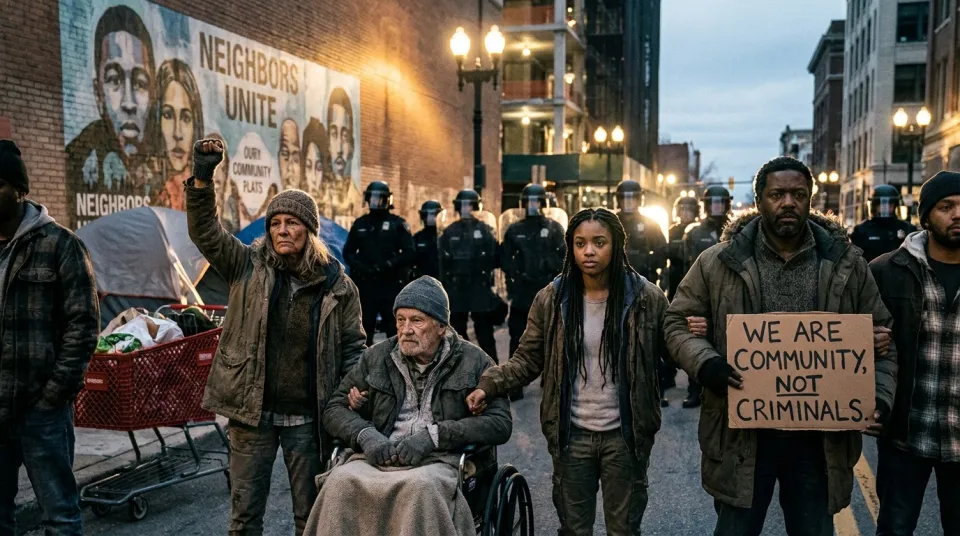
They want order, they want silence, and they’ve built a goddamn surveillance state to keep it. But here’s the dirty truth: algorithms can’t stop what real people do when they’re fed up. It’s not just about turning off your phone—this is how you take the fight straight to their game plan and break their chains.
Algorithms Aren't Infallible
Let’s get one thing clear—the state thinks it’s got you pinned down, every move tracked, every word monitored. But they’re missing something critical: scale. They can predict what happens in a crowd of 50, but not when 10,000 people flood into the streets at once? It’s like trying to cage a hurricane with a fence.
These tech tools—Clearview AI, Palantir, Meta’s ad algorithms—they’re great for profiling and preempting. But they’re not designed for mob mentality. When everyone acts as one, the system becomes blind. They can’t anticipate rage faster than it burns.
The One-Tool That Shuts Them Down: Disruption Through Chaos
Okay, so you know what’s useless? The old playbook of wearing sunglasses, whispering “watch me,” or sticking to predictable protest routes. Now listen—the real weapon is disruptive unpredictability.
Spike Your Noise Early and Often
First rule: don’t let them anticipate your moves. Start with small, loud disruptions that throw off their pattern recognition before they even know what’s coming. A single well-placed flyer in the wrong neighborhood? A graffiti tag on a utility pole near their offices? Something simple but visible enough to draw attention and make them scramble.
Next, amplify it with timing. Coordinate with others to create waves of activity at random times—midday when cameras are usually down, or late at night when they’re off-duty. Use apps like Signal for encrypted planning, but also spread the word through messengers and old-school flyers so no one has a digital map of your every step.
The Power of Absence: Making Them Guess What’s Next
They want to know where you are, what you’re doing—so make that guessing harder. Use distributed organizing: don’t rely on just one leader or group. Assign tasks randomly, so when someone gets caught or arrested, the plan still goes up. If your “leader” shows up at a protest and gets taken, have another voice ready to step in—someone fresh, unconnected, unpredictable.
And don’t be afraid of false flag events too. A fake rally? A staged incident? It throws them off their radar while you regroup and strike faster. The goal isn’t just to disrupt—it’s to make them think twice about how they’re organizing next time.
The Art of the Digital Backlash: Going Beyond the Physical
They’ll try to shut down your online presence, right? But that’s where you win—because their digital walls are weak against raw human emotion.
Leverage Viral Momentum
Create something shareable. A powerful video, a haunting meme, a rallying cry that sticks in people’s heads. Post it when they’re least expecting it—a blitz of TikTok or Instagram Reels can go viral before their systems even register what happened. Don’t be subtle—go hard. Use hashtags, memes, and calls to action that make them feel like outgunned but unstoppable.
And never underestimate the power of leaks. If you know sensitive info about a politician or corporation, drop it just as they’re trying to stage a “clean” protest response. The world doesn’t want to see what happens when their cover falls—show them, and watch their confidence crumble.
Turning Their Systems Against Them: Hacking the Infrastructure
Now here’s where most people quit too early—they think, “But what if they just shut it down?” But let me tell you, these tech systems are fragile. They run on servers, networks, and software that gets broken. And when they do?
DDoS, Steal Their Tools, and Expose Them
Start with small disruptions: simple DDoS attacks to bring down their protest management sites or livestream feeds. But take it further—steal their tools. Hack their servers, copy their databases, or leak internal memos showing how they’re monitoring protesters. Give it all to the right crowd: journalists, activists, even rival groups.
And don’t stop there. Expose the lies behind their surveillance. Show them how easily people are spied on, how facial recognition misfires, and how their own agents get caught. When they realize the public is watching—and laughing—enough of their paranoia will shatter.
What Are You Actually Doing About It?
So what do you take away from all this? Don’t wait for “the moment” to strike—they’ll never come alone. Start now, build your network, and start making noise before they know what’s coming. Disrupt the rhythm of their surveillance. Use chaos as your ally, not a weakness.
And remember: every time you do something illegal—every rally, every flyer, every post that angers them—it chips away at their control. They’re watching, but they’re losing. Now go make it so they can’t stop you.
The Fight Isn’t Over—It’s Just Getting Started
The surveillance state thinks it has the upper hand, but real people don’t play by its rules. They act fast, break patterns, and turn their own systems into weapons against them. And when they do? You’ll be standing in front of a crowd that doesn’t just resist—it rules.
So stop waiting for permission. Start today. Get angry. Get loud. Break the algorithms with chaos, anger, and unrelenting rage. Because that’s how we make this system scream—and then we win.
Member discussion