
Stop Wasting Time on Mass Media Pitches: 5 Steps to Become Your Own Credible News Source

The numbers don't lie. Traditional media pitches have a success rate of just 3.15% to 3.43%: meaning 96 out of every 100 pitches get ignored completely. You need an average of 30-31 pitches just to get a single response from a journalist, and fewer than 8% of pitches result in actual published articles.
Why are you still begging gatekeepers for permission to tell your story?
The media landscape has fundamentally shifted, yet most people still operate under the delusion that traditional outlets hold the keys to credibility and reach. They don't. The infrastructure exists right now for you to become your own credible news source, bypass the gatekeepers entirely, and build direct relationships with your audience.
This isn't about starting a blog or posting random thoughts on social media. This is about establishing yourself as a legitimate source of information that people trust, cite, and turn to for breaking news and analysis in your area of expertise.
1. Establish Your Beat and Become the Expert

Real journalists don't cover everything: they specialize. You need to do the same. Pick a specific area where you can become the definitive source of information. This could be local government corruption, environmental issues in your region, corporate malfeasance in a specific industry, or any other focused area where you can consistently break news and provide analysis.
The key is depth, not breadth. ProPublica didn't become influential by covering everything; they became influential by doing investigative journalism that mainstream media couldn't or wouldn't touch. The same principle applies to independent journalists and citizen reporters.
Start by identifying gaps in coverage. What stories are local media missing? What angles are national outlets ignoring? What communities are being underserved by traditional news sources? Your beat should be something you're genuinely passionate about and have access to sources others don't.
Document everything. Create spreadsheets of contacts, ongoing stories, and leads. Set up Google alerts for key terms in your area. Use public records requests liberally: they're often free and can uncover stories that no one else is pursuing. FOIA requests at the federal level, open records requests at the state level, and similar transparency tools at the local level should become your primary research tools.
Build expertise through direct reporting, not just commentary. Attend city council meetings, school board sessions, and other public gatherings where decisions get made. Talk to people who are directly affected by policies and decisions. Primary source reporting is what separates credible news sources from opinion blogs.
2. Build Your Technical Infrastructure for Professional Distribution
The difference between looking like a professional news operation and a personal blog is your technical setup. You need infrastructure that can handle traffic spikes, preserve your content permanently, and distribute your work across multiple channels simultaneously.
Start with a robust website using a content management system like WordPress with proper hosting that can scale. Avoid free platforms that could disappear or change terms of service. Your domain name should be professional and memorable: not cute or clever.
Set up email distribution lists from day one. Services like ConvertKit, Mailchimp, or Substack allow you to build direct relationships with your audience that social media platforms can't interfere with. Email remains the most reliable way to reach your audience consistently.
Create profiles on every major social media platform, even if you don't plan to use them all immediately. Claim your username consistently across platforms to prevent impersonation and establish your brand. Focus your energy on 1-2 platforms initially, but maintain a presence everywhere.
Invest in basic recording equipment for audio and video. A decent USB microphone costs under $100 and can dramatically improve the quality of any multimedia content you create. Learn basic editing skills for both audio and video: these are essential skills for modern news distribution.
Set up automated systems for cross-posting content. Tools like IFTTT (If This Then That) or Zapier can automatically distribute your content across multiple platforms when you publish something new. This ensures maximum reach without requiring manual work for each piece of content.
Archive everything you publish. Use services like the Internet Archive's Wayback Machine to preserve your work permanently. Screenshot and save social media posts that you reference. Create redundant backups of your content across multiple services.
3. Develop Sources and Build Your Information Network
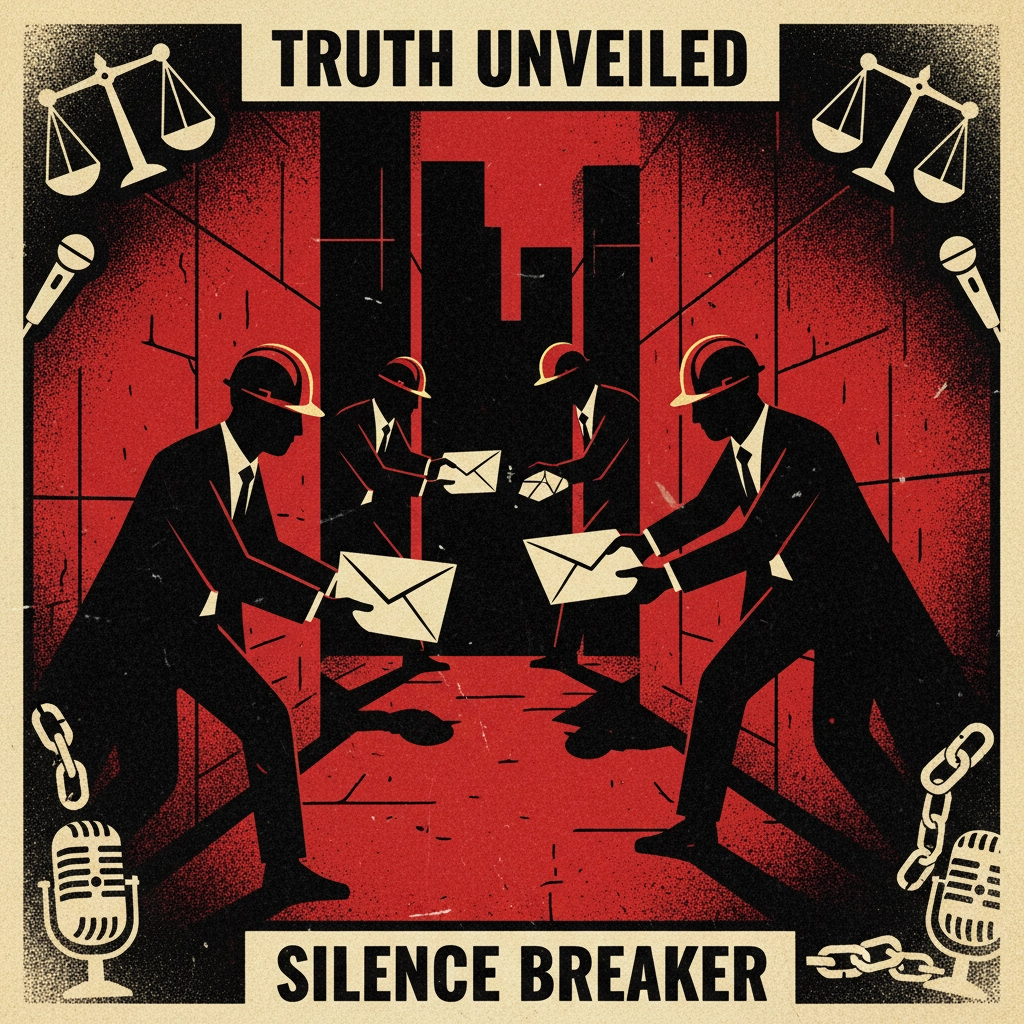
Your credibility depends entirely on your access to information that others don't have. This means building relationships with people who can provide you with tips, documents, and exclusive access to stories.
Start with public officials and their staff. City council members, school board officials, county commissioners, and state legislators are often more accessible than you think. Many of them want to talk to media but rarely get contacted by local reporters. Reach out directly, introduce yourself as a journalist covering their beat, and ask for brief meetings to discuss current issues.
Cultivate relationships with government employees, particularly those in departments relevant to your beat. Public information officers, department heads, and frontline workers often have different perspectives on the same issues. Some will speak on the record, others only on background, and some will become regular sources for tips about upcoming stories.
Connect with advocacy groups, unions, and professional associations in your area of coverage. These organizations often have information about developing stories before they become public. They also have institutional memory about past events and can provide context for current developments.
Build relationships with other journalists and researchers covering similar topics. Journalism is surprisingly collaborative, especially among independent reporters. Share information when appropriate, and others will often do the same for you.
Create systems for people to contact you securely. Set up an encrypted email address using ProtonMail or similar services. Consider using Signal for sensitive communications. Make it easy for potential sources to reach out to you anonymously if necessary.
Verify everything through multiple sources. The credibility you're building can be destroyed by a single factual error. Always check important facts with at least two independent sources before publishing. When you make mistakes: and you will: correct them quickly and transparently.
THIS ISN'T ABOUT FAME: IT'S ABOUT ACCOUNTABILITY
Too many people approach independent journalism as a path to personal branding or social media influence. That's backward. Your goal should be serving your community by providing information that helps people make better decisions about their lives, their votes, and their communities.
Focus on stories that affect people's daily lives: housing policy, education funding, environmental health, criminal justice, economic development. These stories might not go viral, but they're essential for an informed citizenry.
4. Master the Art of Breaking News and Original Reporting

Breaking news is what separates real journalists from commentators and bloggers. You need to be first, accurate, and useful when important stories develop in your beat area.
Set up monitoring systems for real-time information. Follow police scanners, emergency services social media accounts, and government officials' communications channels. Many agencies now broadcast important information through Twitter or Facebook before traditional media picks it up.
Develop templates for common types of breaking news stories. Have pre-written sections for things like city council meeting coverage, crime reporting, or emergency response situations. This allows you to publish quickly while maintaining accuracy and completeness.
Always lead with what you know, not what you don't know. If you only have partial information about a developing story, say so explicitly. "Details are still developing" is better than speculation. Update your stories as new information becomes available, and clearly mark when updates were made.
Establish relationships with emergency services, law enforcement, and other first responders. Many agencies have public information officers who can provide official statements quickly. Having these contacts in your phone can be the difference between breaking a story and following someone else's reporting.
Create a fact-checking process for breaking news situations. Verify information through multiple sources before publishing, even when speed is important. A slightly delayed accurate report is always better than an immediate inaccurate one.
Use primary sources whenever possible. Quote directly from official documents, court filings, meeting minutes, and other original sources rather than relying on other media reports. This establishes you as a primary source rather than an aggregator.
5. Build Credibility Through Consistent Quality and Transparency
Credibility in journalism isn't built overnight: it's earned through consistent, accurate, and ethical reporting over time. Your reputation is your most valuable asset, and every story you publish either builds or undermines that reputation.
Establish clear ethical guidelines for your work and follow them consistently. This includes policies about conflicts of interest, use of anonymous sources, fact-checking procedures, and correction policies. Publish these guidelines on your website so your audience knows your standards.
Be completely transparent about your funding sources, potential conflicts of interest, and reporting methods. If you have personal connections to a story, disclose them. If you received documents through FOIA requests, explain your process. If you have financial relationships that could affect your reporting, make them public.
Correct errors immediately and prominently. When you make mistakes: and every journalist does: acknowledge them quickly, explain what went wrong, and correct the record completely. Your correction policy should be easily found on your website.
Engage with criticism constructively. When readers question your reporting or point out errors, respond professionally and investigate their concerns. Sometimes criticism reveals blind spots in your reporting that you need to address.
Build credibility by helping other reporters. Share information when appropriate, provide background context to visiting journalists covering your beat, and collaborate on stories that benefit from multiple perspectives. The journalism community is small, and having a reputation for being helpful and ethical will pay dividends.
Maintain consistent publishing schedules and communication with your audience. If you promise weekly updates, deliver weekly updates. If you're working on a long-term investigation, provide regular progress reports to your subscribers. Reliability builds trust.
Your Direct Line to Public Influence
Traditional media outlets are businesses first and information services second. Their priorities are advertising revenue, corporate relationships, and maintaining access to official sources. Your priorities can be different: and that's exactly why independent journalism is essential.
You're not beholden to corporate advertisers who might pressure you to avoid certain stories. You're not worried about losing access to politicians who might cut off your publication if you report unfavorable stories. You're not constrained by editorial policies that prioritize centrist, "both sides" coverage over factual accuracy.
This independence is your competitive advantage. Use it to tell stories that traditional media can't or won't tell. Investigate local corruption that might affect national advertisers. Report on corporate malfeasance that might cost a media company important business relationships. Cover community organizing and grassroots movements that don't fit traditional news narratives.
Your success as an independent news source won't be measured by clicks or social media followers: it will be measured by your impact on your community. Did your reporting lead to policy changes? Did it help voters make better decisions? Did it hold powerful people accountable for their actions?
The infrastructure exists right now for you to become a credible, influential news source in your community. The traditional gatekeepers who once controlled access to information and audiences have lost much of their power. What remains is the work: consistent, accurate, ethical reporting that serves your community's need for reliable information.
Stop asking permission to do journalism. Start doing it.
For more insights on building independent media and resistance communication, explore our other guides on building underground communities and tactical disruption strategies.
Member discussion