
How to Organize a Neighborhood Mutual Aid Network Before the Next Shutdown (Complete Playbook)

The next shutdown is coming. Whether it's another manufactured pandemic crisis, economic collapse, or infrastructure failure, the system will fail you again. And when it does, you'll be left scrambling like last time, unless you build something real before the wolves are at your door.
This isn't about feel-good community building. This is about survival when the institutions you've been taught to trust collapse around you like the house of cards they always were.
1. Stop Waiting for Permission to Save Your Own Life
Mutual aid isn't charity. It's direct action against a system designed to keep you isolated, dependent, and powerless. When corporations hoard resources and governments fumble response efforts, neighbors feeding neighbors becomes an act of rebellion.
The ruling class wants you atomized, scrolling through apps instead of knowing the person next door. They profit from your loneliness and desperation. Building a mutual aid network is declaring war on that isolation.
Start with ONE person. Find a neighbor who gives a damn about something other than their property values. Someone who didn't clap for healthcare workers while voting for politicians who gut hospital funding.
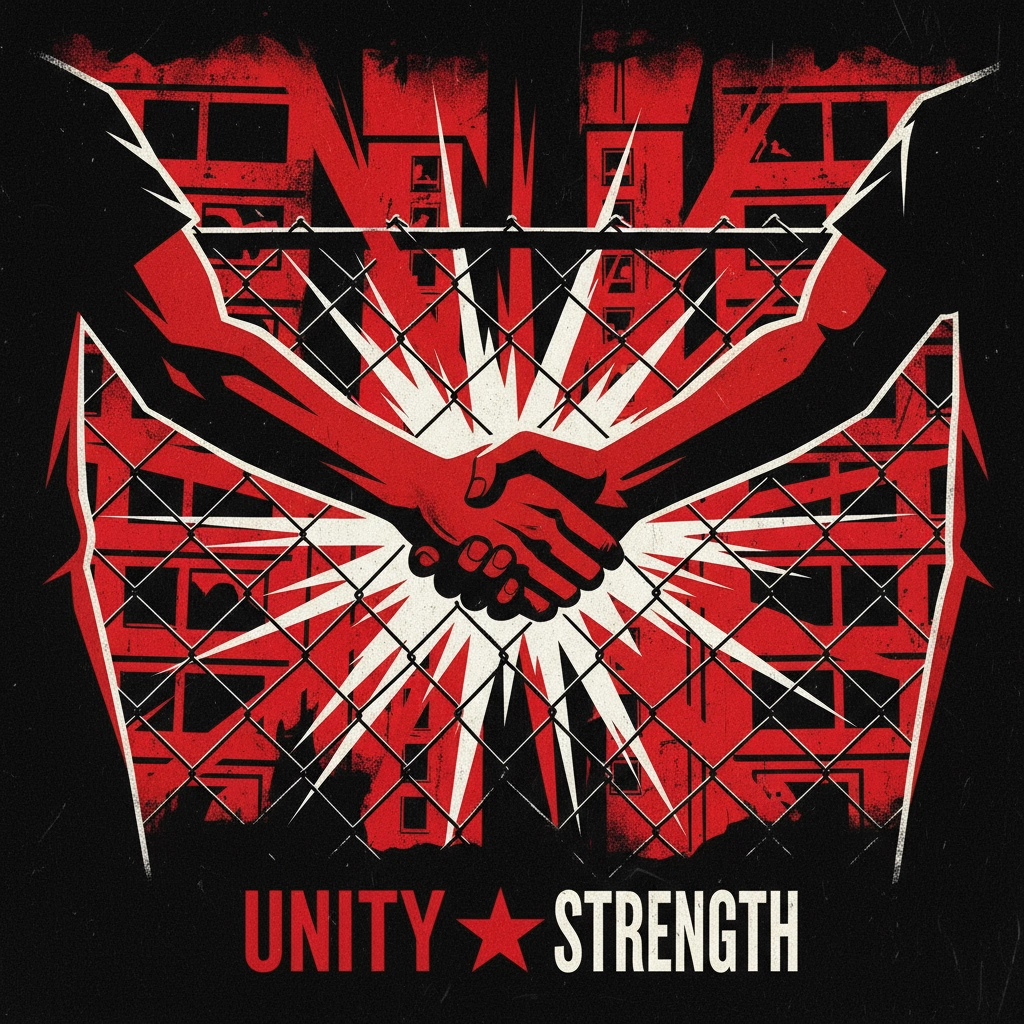
Don't overthink this step. Text someone right now. Say: "I'm organizing neighborhood support for the next time everything goes to hell. Want to help?" If they say no, find someone else. If they say yes, you've just lit the first spark.
2. Map Your Territory Like Your Life Depends on It
Because it does.
Define your zone ruthlessly. This isn't a social media engagement strategy: it's about knowing exactly who you're responsible for when the lights go out. Most effective pods serve 5-30 people. Any bigger and you lose the tight coordination that makes mutual aid work when seconds count.
Walk every street. Document every address. Note who lives where, who might need extra help, who has skills that could save lives. The government isn't coming to help you. The Red Cross will show up three days late with stale sandwiches and bureaucratic paperwork.
Your detailed mapping means the difference between a neighbor getting medication during a supply chain breakdown or dying because nobody knew they existed.
Create a simple spreadsheet: Address, Names, Contact Info, Skills They Offer, Special Needs, Emergency Contacts. Update it regularly. Guard it carefully. This document becomes precious intelligence when crisis hits.
3. Build Communication That Can't Be Shut Down
Corporate platforms will fail you. They'll censor your organizing, throttle your reach, or simply crash when everyone needs them most. Plan for that inevitability.
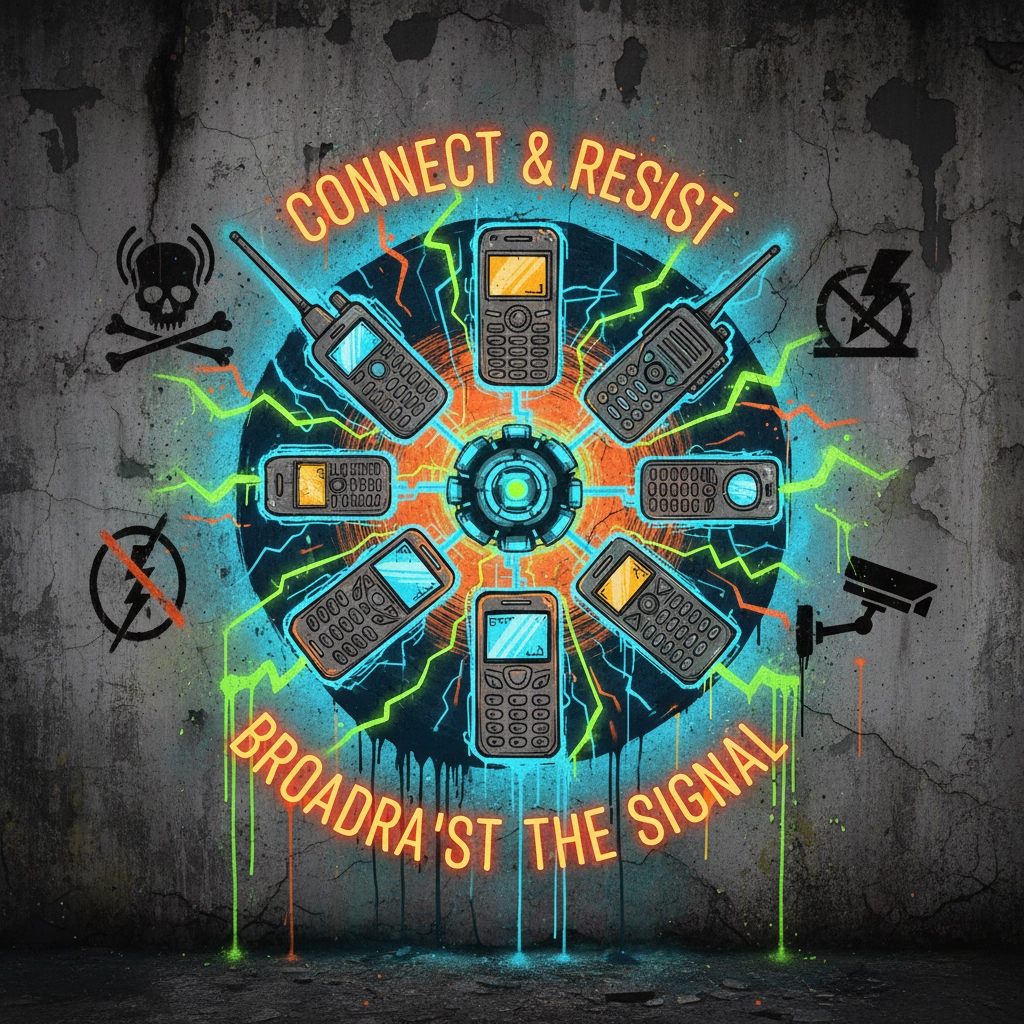
Primary channel: Signal or WhatsApp group for quick coordination Backup channel: Phone tree for when digital fails
Emergency channel: Ham radio or mesh networks for total infrastructure collapse
Don't put all your eggs in Zuckerberg's basket. The same tech billionaires who profit from surveillance capitalism won't hesitate to pull the plug when your mutual aid threatens their control.
Test your communication systems regularly. Practice scenarios where half your group loses internet access. Run drills where the primary coordinator is unavailable. Systems that break under pressure weren't systems at all: they were security theater.
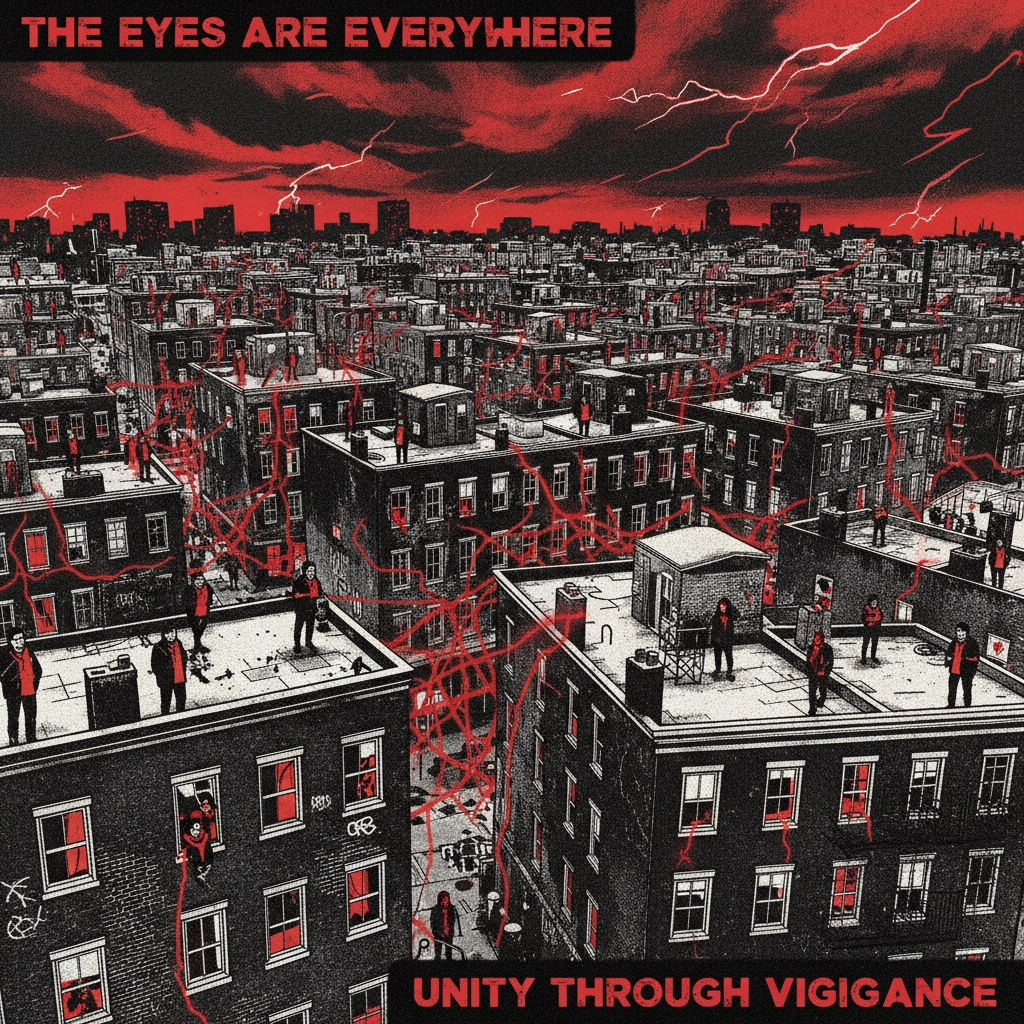
4. THIS ISN'T CHARITY: IT'S COMMUNITY SELF-DEFENSE
Mutual aid networks succeed because they operate outside the nonprofit industrial complex that turns human suffering into grant applications and executive salaries.
Your network should handle: - Emergency food and medication delivery when supply chains break - Childcare coordination when schools close without warning
- Financial assistance for rent and utilities (funded by those who can afford it) - Information sharing when mainstream media lies or stays silent - Security planning when law enforcement protects property over people - Wellness checks for isolated neighbors
Document your capabilities clearly. Create intake forms for both offering help and requesting assistance. Establish clear protocols before you need them, because crisis decision-making leads to chaos and burned-out organizers.
5. Connect to the Underground Railroad of Resources
Your neighborhood pod can't exist in isolation. The most powerful mutual aid networks link together like an immune system for communities under attack.
Connect with: - Other neighborhood pods in your area - Local food banks and community kitchens
- Activist organizations doing on-the-ground work - Alternative media networks sharing real information - Legal observers and jail support networks - Community defense groups protecting vulnerable neighbors
Share resource maps. Cross-reference skill sets. Coordinate supply runs. When one pod has surplus, another has shortage: but only if you've built the connections beforehand.
Don't reinvent the wheel. Other communities have been doing this work for decades, especially communities of color who never had the luxury of trusting institutions that were designed to exclude them.
6. Practice Like Lives Are on the Line
Because they are.
Run scenarios monthly: - Winter storm simulation: Who needs heat? Who has generators? How do you deliver medication when roads are impassable? - Economic crash simulation: Who's most vulnerable to eviction? How do you pool resources for emergency rent assistance? - Medical emergency simulation: Who has first aid training? How do you get someone to a hospital when ambulances are overwhelmed? - Communication blackout simulation: How do you coordinate when phones and internet are down?
These aren't hypothetical exercises. Every scenario you practice has happened in the last five years somewhere in America. The only difference between communities that survive and communities that suffer is preparation.
Document what works. Fix what breaks. Train new coordinators so the network doesn't collapse if key people become unavailable.
7. And What the Hell Are YOU Doing About It?
Still reading instead of organizing? Still waiting for someone else to start? Still believing the government will save you next time?
The system failed during Hurricane Katrina. It failed during the Texas winter storm. It failed during the pandemic. It failed during supply chain disruptions. It will fail again because failure is a feature, not a bug.
Every day you delay building these networks is another day your community remains vulnerable to the next manufactured crisis. Every neighbor who dies alone during the next disaster is partially on you for not organizing when you had the chance.
8. Build It or Watch Your Community Burn
This isn't complicated. It's just uncomfortable for people who've been trained to wait for institutional permission to care about each other.
Start small: Find one neighbor who isn't braindead Start simple: Exchange contact information and skills Start soon: Tomorrow is too late
The billionaires are building bunkers in New Zealand. Politicians are buying property in places they think climate change won't reach. The rich are preparing for collapse while telling you everything is fine.
They're not building mutual aid networks because they don't need them: they're building walls and buying security. You don't have that luxury. Your security is your neighbors. Your bunker is your community.
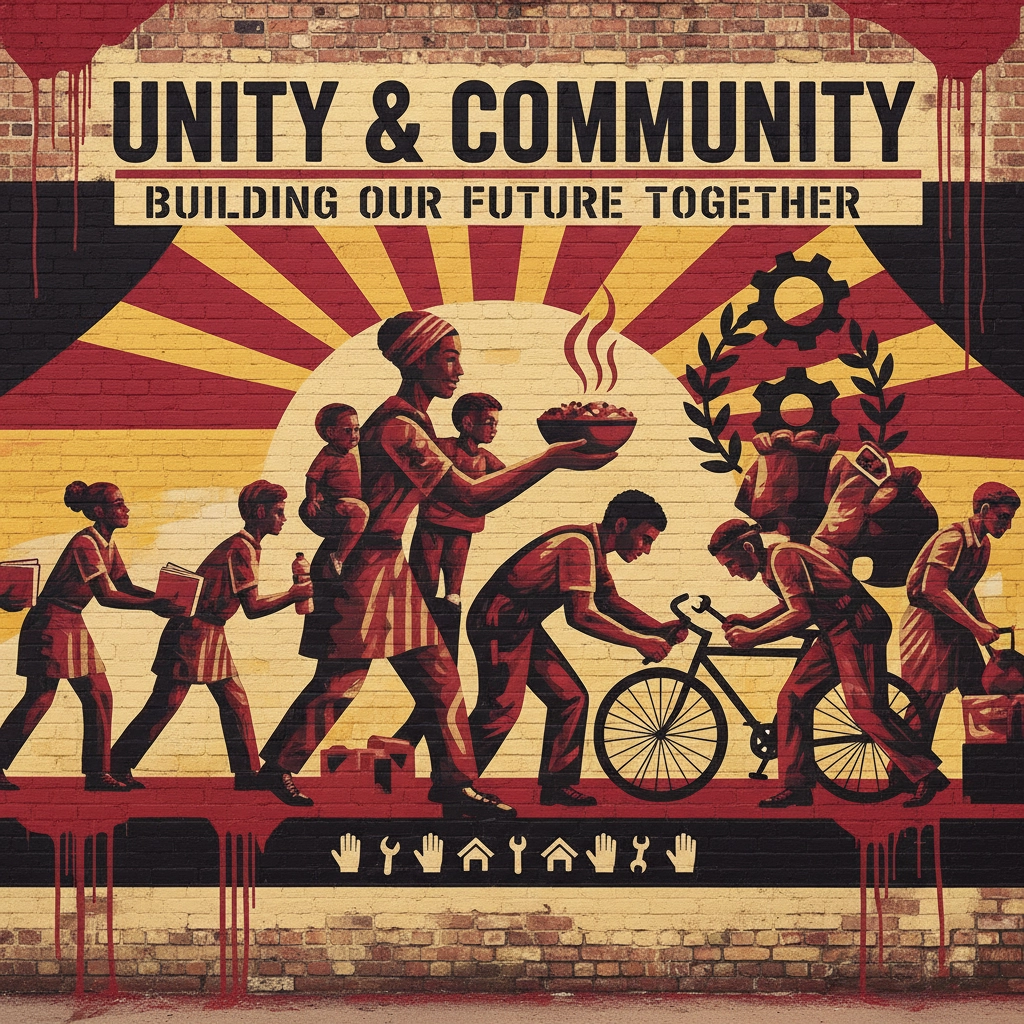
Create the infrastructure now, or spend the next crisis watching your neighbors suffer while you refresh news feeds and wait for help that isn't coming.
9. The Time for Practice Is Over
Stop treating this like an intellectual exercise. People are already dying from institutional failure: they're just dying quietly where you can't see them.
Homeless people freezing while luxury apartments sit empty. Diabetics rationing insulin while pharmaceutical companies post record profits. Elderly people dying alone while their families work multiple jobs just to afford rent.
Mutual aid isn't preparing for future collapse. It's responding to ongoing collapse that the media won't acknowledge and politicians won't address.
Your network starts today or it never starts. Your first training session happens this week or it never happens. Your neighbor outreach begins this weekend or it never begins.
The choice is organizing or watching. Building community or enabling isolation. Taking responsibility for each other or maintaining comfortable complicity while everything burns.
The system won't save itself. It was designed to extract wealth and consolidate power, not protect human life. Mutual aid networks are how communities survive systematic abandonment.
Start organizing like your life depends on it. Because it does.
Fuck this system( build something better with your neighbors.)
Member discussion