
How to Mask Your Identity in the Age of Total Surveillance: A Local Combat Manual
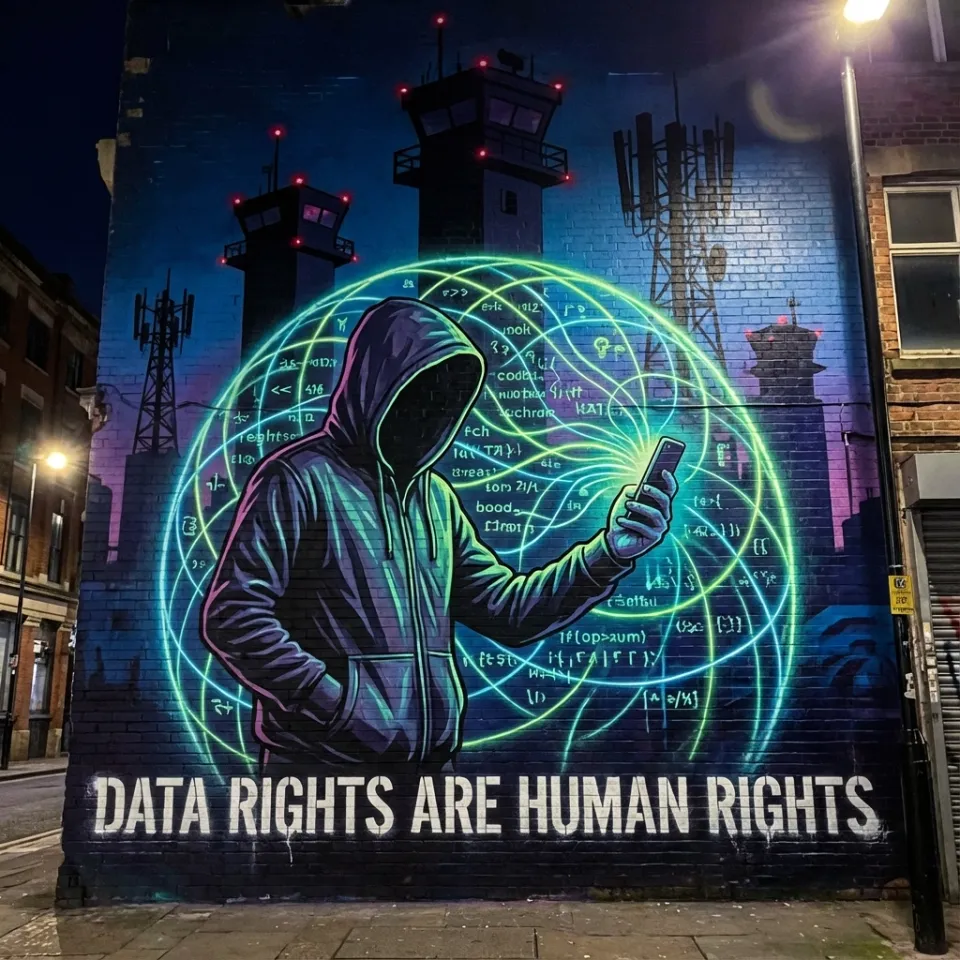
Let’s cut right through the bullshit, okay? The NSA knows your name. Facebook knows what you’re thinking before you even think it aloud. Your ISP tracks every move, and the local cops know who’s been buying their new “smart” tech from Snoop Electronics down by Main Street. We live in a world where being seen is just one step away from being crushed. But you don’t have to be another statistic. You’ve got the tools. And today, we’re getting down and dirty with how to mask your identity like it’s your last act of defiance.
The New Reality: You Don’t Just Go Online Anonymously—You Outlive Surveillance
Surveillance isn’t some abstract threat; it’s on the sidewalk, in your phone bill, in the tiny cameras that’ve turned our neighborhoods into endless panopticons. Big Brother ain’t just watching you from afar—he’s right here. So forget about mixing up your email or using Tor because “it’ll keep you safe.” That’s like hiding out under a rock when they’re coming for you with a pack of bayonets.
What we need is a layered defense. A fortress built in your head, on your phone, and off the grid. Let’s start by getting real about how surveillance works—and then let’s break it down into bite-sized survival tactics.
Layering Your Defense: From Digital to Physical
Digital Identity:
Your digital self is a fingerprint that sticks to you. Every click, every login, every app download leaves breadcrumbs for the authorities to sniff up. The first step? Minimize your footprint. Start by auditing everything on your phone and computer. Delete unused apps. Use encrypted messaging with no traceable metadata—Signal’s fine if you know how to set it right—but even better is a hardened secure messaging app like Session or Briar. And always, always use strong, unique passwords for every service. A password manager like Bitwarden (the open-source one) can help you manage this without the headache.
Next, your email. Gmail’s no safe haven. Switch to ProtonMail or Tutanota—they’re encrypted end-to-end and won’t hand over your data. And never reuse those strings of characters everywhere; one leak gives them everything.
Now here’s where most people go wrong: they think “Tor is all you need.” Nope, Tor leaks metadata—your location, your IP, the timing of your connections. Use multiple layers to obscure who you are and what you do online. Combine Tor with a VPN that doesn’t log anything (Mullvad or ProtonVPN work well), and always use HTTPS—look for that padlock symbol before you type even one word.
Physical Identity:
Your phone is your biggest vulnerability. Keep it locked, but don’t just rely on biometrics—those can be hacked. Use burner phones when you need to stay under the radar, and always have a physical wallet with cash and IDs that don’t match your online persona. The key? Separate lives. Create fake identities for different parts of your life: work aliases, personal ones, even just in-app usernames that don’t reveal who you really are.
And here’s something most people forget: face recognition is getting way more advanced. Facial recognition software can ID you from a blurry street photo or a mugshot shared on social media. Carry a disguise—clothing, hats, sunglasses—and change your look every few weeks. The less predictable you are, the harder it is to track you down.
Tools of the Trade: The Arsenal You Need
Let’s talk specifics. First up: VPNs and encryption. As mentioned, Mullvad lets you buy anonymity with cash—no KYC hassle—and they’re based in a privacy-friendly jurisdiction (Finland, mind you). For extra security, pair it with an encrypted messaging app like Session or even WhatsApp when you need to mix things up.
Then there’s the dark web, not just as a place to hide but as a marketplace for survival tools. Reddit communities like r/Anon and the Tor-based forums on Hidden Servers have guides, scripts, and even pre-made packages that help you stay under the radar. Don’t be shy—those guys live in it too.
For hackers or those who want to take control of their tech, self-hosted solutions are king. Use a VPS (Virtual Private Server) on platforms like ProtonVPN’s free tier (with some setup work), and set up your own encrypted email server with something like Mailfence. The more you bring online infrastructure under your belt, the harder it is for them to shut you down.
Tactical Moves: How to Stay Unseen in the Wild
Knowing the tools isn’t enough—you’ve gotta use ’em smartly. Here’s how:
- Always assume every connection can be traced. Use Tor for sensitive searches, and keep your regular browsing under a separate profile or browser profile where you don’t log in to anything personal.
- Disable location services on your phone as much as possible. If it’s not needed, turn off GPS, and use a VPN to mask your actual IP when surfing.
- Use burner social accounts for everything suspicious. This is key. One real account that gets compromised can wreck your whole operation.
- Keep cash and a physical journal. Digital records are the easiest things to trace—write down important dates, aliases, and meeting times in a locked notebook you carry separately from your phone.
What About the Local Cops? Don’t Let ‘Your Neighbor’ Sabotage Your Game
You’d be surprised how many local cops rely on community tips to catch people like you. They’re not always tech-savvy, but they know your neighborhood better than anyone. So what do you do?
- Avoid public spaces when you need to go incognito. If you can’t, stick to places where there are fewer eyes—early mornings or late nights in low-traffic areas.
- Don’t post about yourself online. Even something as innocuous as a photo on Facebook tagged with your real name and location is too much exposure.
- Build alliances locally. Find like-minded folks who share your goals—someone can watch your back or give you a ride if things go sideways. But never trust everyone; always confirm in person first.
The Final Line: Confronting the System That Tries to Break You
Now, let’s get real with this: you’re not just protecting yourself—you’re building a resistance. Every time you hide your identity, every tool you use, every move you make under the radar, you’re weakening their grip on the system. And when enough of us do it, they’ll start to crack.
So what are YOU doing? Are you sitting back and letting them see through the cracks? Or are you ready to get dirty? Are you setting up your encrypted email right now? Is that burner phone in your bag waiting for action?
Resistance isn’t just for the big picture—it’s for you, now. And it starts with one small step: hiding better. You’ve got the tools, now let’s use ’em. The boot is coming for you, and the world needs more of us wearing disguises to make life harder for the bastards in charge.
Tactical Payoff:
Start by setting up a burner phone with Tor enabled and an encrypted messaging app. Create at least three separate digital identities—one for work, one for personal stuff, and one just for fun. Keep cash and a physical journal handy. And most importantly: stay hungry. The fight starts now.
Member discussion