
How to Build a Surveillance-Free Block—Starting with Your WiFi and Phones
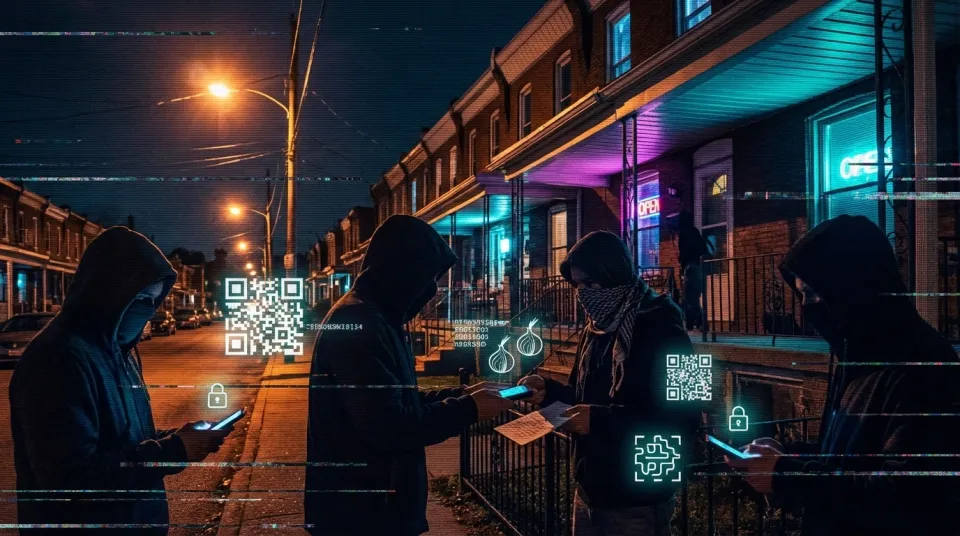
You're connected like never before—and that means you're exposed. Every time you connect your phone to the nearest hotspot, every gigabyte streaming on your streaming service, every search query hitting the servers of Google or Meta, you’re handing control over. The truth is: corporations, surveillance states, and even some well-meaning local officials aren’t interested in helping you—they’re harvesting your data like gold. It’s time to build a surveillance-free block. Not for a day, not for weeks—but permanently.
Let’s start with your WiFi. That little box that connects the whole damn internet right into your home isn’t just a convenience. It’s an open door. When you leave it on, unencrypted or worse—open to everyone in range—it gives tech companies and pranksters backdoors into your digital life. They’re not just watching what you do online—they’re collecting metadata: who you talk to, when, where, and for how long. And that’s exactly what they need to map out habits, fears, and vulnerabilities.
Here’s the brutal truth: turning off WiFi isn’t going to make your house invincible overnight—but it’s a start. If you can’t turn it off entirely, try using a mesh VPN on a separate network. Apps like Virtuoso or even NordVPN can encrypt all your traffic when connected—and that’s a weapon against casual snooping. But better yet: build a neighborhood-wide mesh of secure hotspots using open-source tools like GoTenna or FireChat. These let people talk and share data without relying on the internet giants at all—ideal for emergency alerts, organizing meetings, or just knowing who’s around.
Now, your phone is the biggest vulnerability in your household right now. It’s a walking treasure chest of personal information: photos, messages, location history, banking apps, calendars—everything they’ve ever wanted to know about you and your neighbors. You think that “offline mode” or “airplane mode” is enough? Think again. Those little settings are like the front door left wide open for anyone within earshot.
Let’s get into the specifics. First off, disable all unnecessary permissions. Apps like weather apps shouldn’t know your location more than necessary—unless they’re tracking storm patterns, then that’s fine. But every extra access point is a potential exploit. Go through your phone settings and turn off everything you don’t need. Think of it as paranoia—good paranoia.
Next up: go to Settings > Privacy > App Permissions and whittle down each app to only what they absolutely need. And don’t stop there. Use apps like Fingerprintr or ShadowRock to monitor if someone’s secretly snooping on your phone from a distance using tiny spyware devices. These are cheap, easy-to-use tools that can catch even the most sneaky eavesdroppers—like when you think no one’s around.
But what about everyone in your block? You don’t want to go it alone—you need a movement. Start by hosting a small gathering, maybe over coffee or at a local community center. Talk about the risks of having WiFi on and phones always connected. Share tools like ProtonMail for encrypted email and Signal for secure messaging. Teach people how to use Briar, an offline messaging app that works even without internet—perfect for sharing updates when you’re off the grid.
Now here’s the game-changer: create a neighborhood mesh network. Gather a few willing neighbors and invest in some affordable hardware like GoTenna Pro or DIY satellite communicators. This lets you form local networks that aren’t tethered to any corporate servers—no one can hack, spy, or monitor your communications unless they’re right there with the equipment.
But it’s not just about tech. It’s about building trust and accountability. Hold a community accountability meeting where everyone agrees on rules: no sharing personal devices without consent, no leaving phones unlocked in public view, and zero tolerance for anyone trying to spy or snoop on others. Make it clear that this isn’t just about privacy—it’s about collective power.
And when you’re ready, take it further by organizing regular digital detox days where everyone disconnects from all networks—phones off, internet down, living offline and relying on community strength instead of corporate convenience. Use these days to reconnect in person, share stories, and plan next steps.
The real question is: what are YOU doing about it? Are you still using WiFi without a VPN or sharing every app permission like it’s nothing? Or are you taking the first step by turning it off—even for an hour—to feel the freedom? And once that happens, keep going. Build your mesh network, host local meetups, teach others what you know—and turn your block into a fortress of resistance against the all-seeing eyes of tech and the state.
Because this isn’t just about privacy anymore. It’s about reclaiming control—over your own data, your own lives, and your neighborhood from those who want to use you as just another data point in their endless surveillance system.
Member discussion