
Dissent Toolkit: 8 Anti-Surveillance Tactics Every Citizen Needs to Know
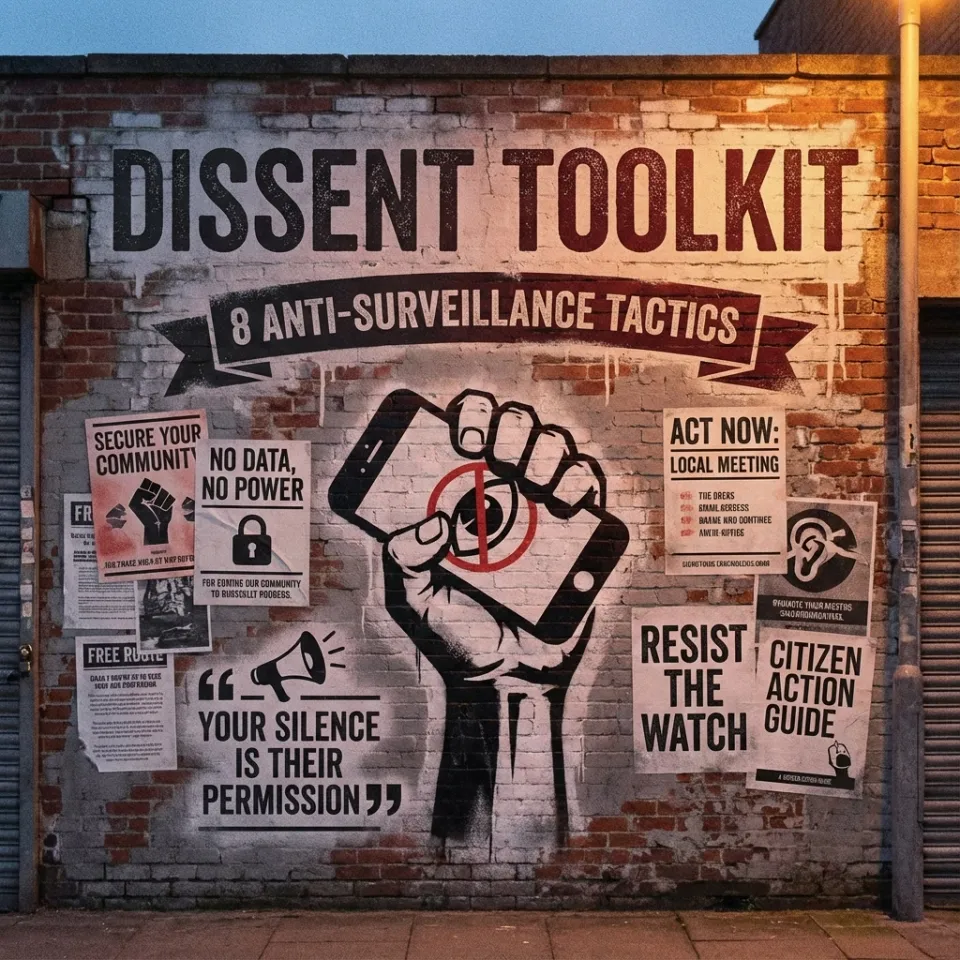
You think your phone’s just a phone? Think again. In the age of Big Brother watching with every tap, keystroke, and Wi-Fi signal, that damn device is more like a digital shackle, chained to your life by the very corporations and politicians who feed on your freedom. But you’re not helpless—this isn’t just about dodging cameras; it’s about taking back control. Here’s your Dissent Toolkit: 8 anti-surveillance tactics every citizen needs to know—and do, NOW.
The First Line of Defense: Encrypt Everything You Can
Surveillance companies like Clearview AI and Palantir aren’t just watching—they’re building the future by mining your data. Your first step is making sure nothing you say, send, or share becomes fuel for their algorithms. Start with encryption. Use Signal or Wire to send messages that only you and your intended recipient know. But stop there—it’s not enough. Encrypt your phone with strong passcodes and apps like VeraCrypt for the real deal—when your files are locked so tight even the FBI can’t crack them without a key.
Now, your emails? Don’t trust Gmail or Outlook—they’re beacons in the dark. Switch to ProtonMail or Tutanota. These aren’t just email services; they’re digital vaults that won’t hand over your secrets. Every time you type a message, you’re not just communicating—you’re resisting.
The Power of Tor and VPNs: Your Invisibility Network
Tor isn’t just for activists anymore—it’s for anyone who wants to see themselves as invisible online. The NSA and Facebook can’t track you when you’re routing your traffic through the Darknet network, making it nearly impossible for them to connect your IP address to your real self. Use Tor Browser daily, not just when you suspect someone’s watching.
But don’t rely on it alone—pair it with a strong VPN like ProtonVPN or Windscribe. A good VPN masks your location and encrypts your internet traffic, making your digital footprint harder to trace. It’s cheap, easy, and instantly turns you into a ghost in the machine.
Unplugging Your Devices: Turn Off the Broadcast
Your smartphone is a surveillance goldmine—tracking your location, calls, texts, and apps with every second. The first radical step? Turn it off when you’re not using it—and do it every day. But if that’s too much, start smaller. Use airplane mode during meetings or evenings to cut off Bluetooth, Wi-Fi, and cellular signals.
And don’t just trust your phone—disconnect the peripherals. Bluetooth earbuds? Turn them off. Wearable devices like smartwatches? They’re listening too. Even your smart TV can spy on you if it’s always connected. Unplugging is anti-surveillance, plain and simple.
Social Media: Your Digital Footprint Trapdoor
Every post, every ‘like,’ every comment chips away at your privacy. But that trapdoor isn’t just for hackers—it’s for advertisers, stalkers, and cops. Start by auditing your accounts. Turn off location tagging on all posts, mute or unfollow accounts you don’t trust, and be ruthless about deleting old accounts.
Use pseudonyms when possible—John Doe isn’t just a name; it’s armor. And if you’re not sure what info you’ve shared? Use tools like Pipl to search your digital trail. Once you know where the leaks are, you can wipe them out. Your online presence shouldn’t be a breadcrumb trail—it should be a smokescreen.
Public Wi-Fi: The Surveillance Hotspot You Can Outrun
Free Wi-Fi at coffee shops and airports? It’s a surveillance playground. Every connection they get is a chance to sniff your activity, harvest your data, or plant malware on your device. But you’re not just avoiding the bugs—you’re actively countering them.
Use a VPN only on public networks—not as an afterthought. And when possible, use mobile data (4G/5G) instead of public Wi-Fi. It’s slower, sure, but way safer. If you must connect to a café’s network? Try the Tor Browser with a VPN active—you’ll be more protected than most.
The Art of Anonymity: Dumpster Diving for Digital Tools
When corporations and governments are tracking you everywhere, knowing who to trust can be your best weapon. That’s why anonymity tools like Tor, Signal, and ProtonMail aren’t just apps—they’re allies in the fight back. But it doesn’t stop there.
Check out resources like SecureDrop—used by outlets like The New York Times to receive anonymous tips—and consider using it yourself if you want to share info without exposure. And if you run into someone who’s been targeted? Meet them in person, not online. A face-to-face connection is the ultimate shield against digital tracking.
Hardware Hacking: Taking Surveillance Off the Grid
You don’t need a tech degree to fight back—but sometimes, you need tools. That’s where hardware hacking comes in. Devices like Pi Zero or Raspberry Pi can be rigged with Tor bridges—hidden connections that let you access encrypted networks without alerting your ISP.
Even better? Use Tails OS, a live operating system designed to leave no trace. Just boot it from an external drive, and it routes all traffic through Tor by default. This isn’t just for hackers—it’s for anyone who wants to surf the web unseen, undetected, and unapologetic.
What Are You Really Doing?
So far, we’ve covered encryption, anonymity networks, hardware tricks, and the importance of disconnecting—but here’s the hard truth: knowledge doesn’t stop you from being part of the problem. What are YOU doing about it? Are you just passing along tips without taking real action? Or are you using these tools to resist, disrupt, and reclaim your life?
You’re not in this alone—resistance is a team sport. Share what you learn. Teach others. Make the world see that even small steps can be seismic. And remember: every encrypted message sent, every VPN used, every social media post deleted—it’s another brick in the wall against Big Brother.
Tactical Payoff
The tools are there. The time is now. So here’s what you do: Start tonight. Turn on Tor and ProtonVPN before bed. Delete your old accounts. Set up a Signal account for sensitive chats. And next week, teach someone else how to hide their footprint. You’re not just surviving—you’re thriving in the dark, turning surveillance into strength, and proving that you don’t need permission to be free.
The boots are on—the system’s on us. Let’s make this resistance loud, real, and relentless.
Member discussion